



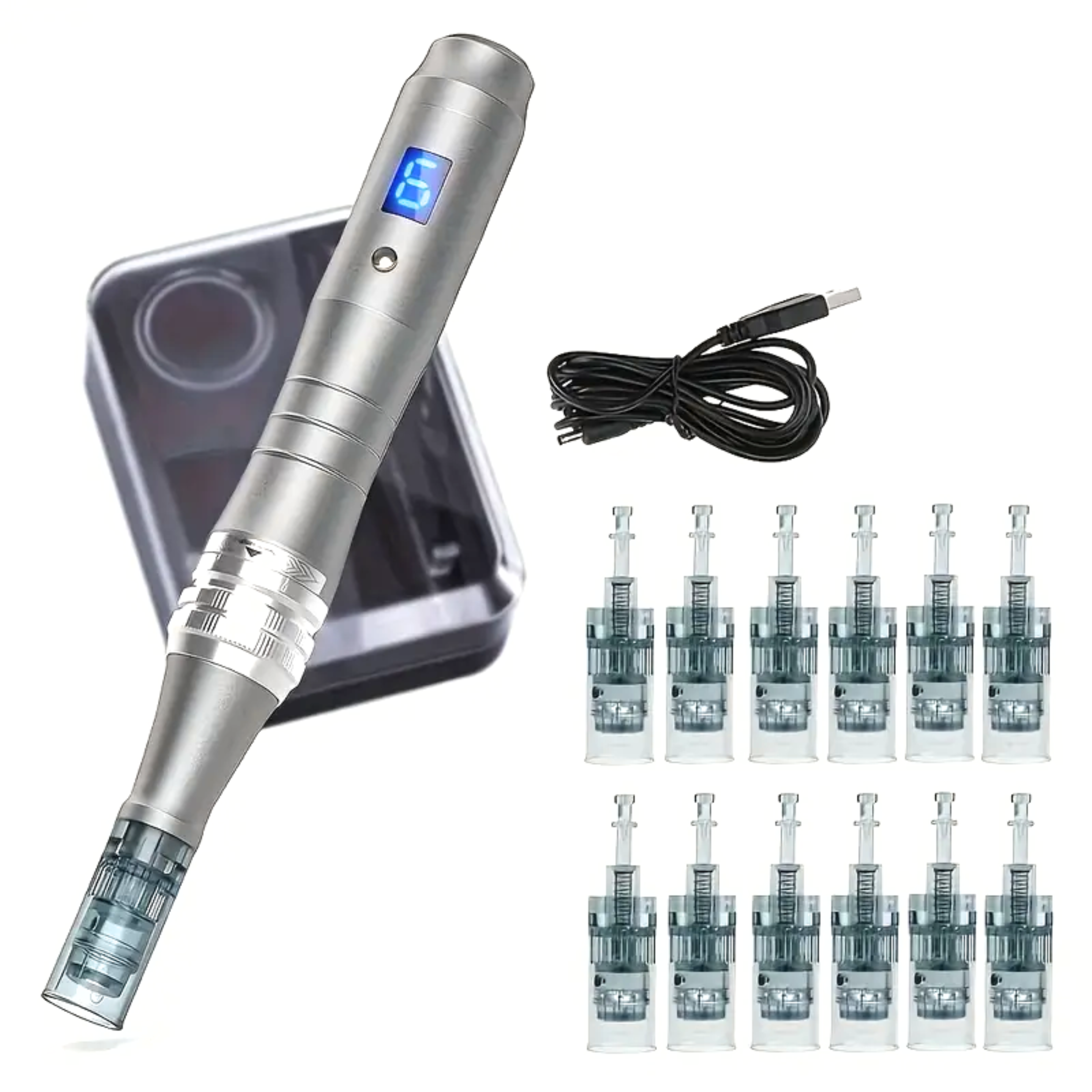
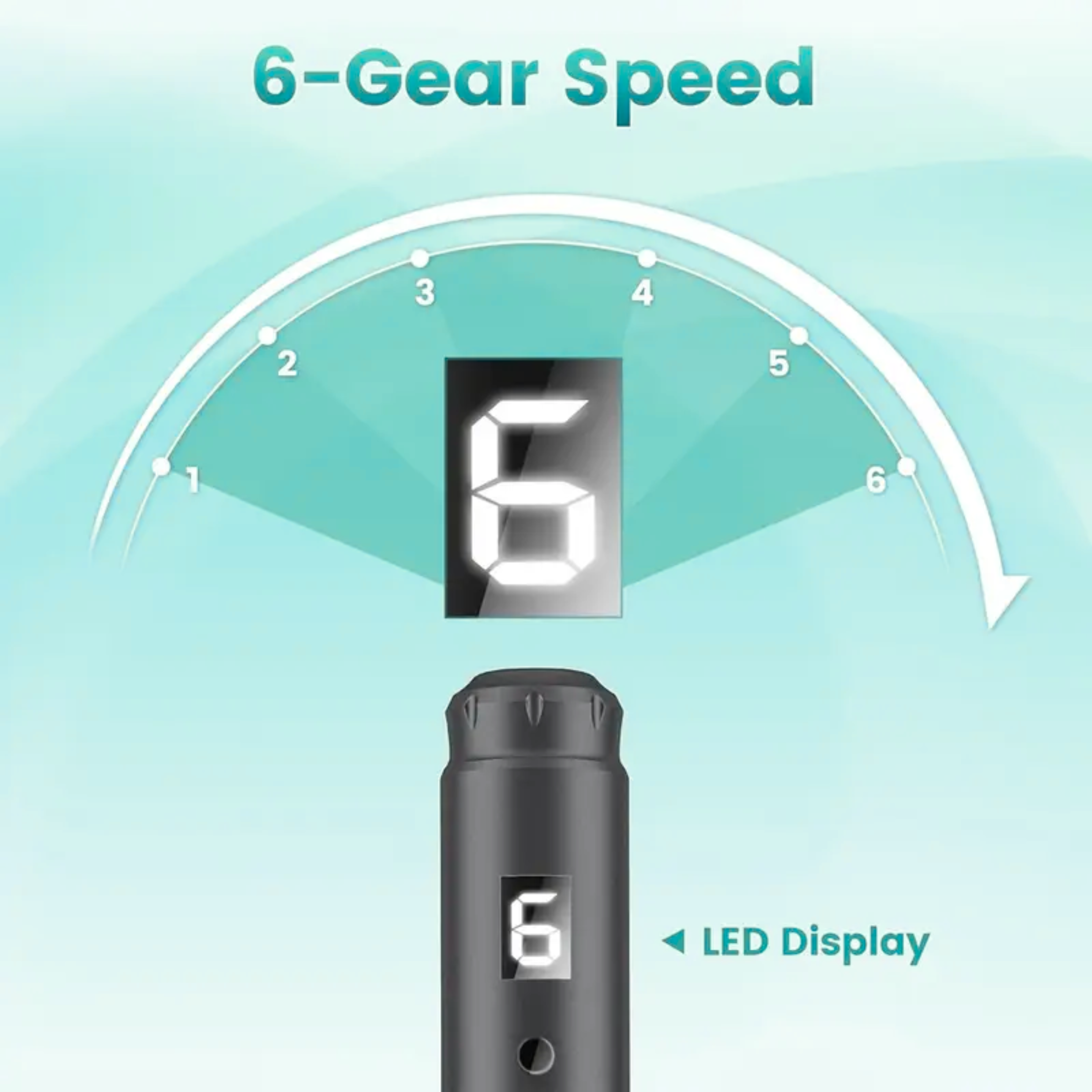
Fournisseur: Follicly™
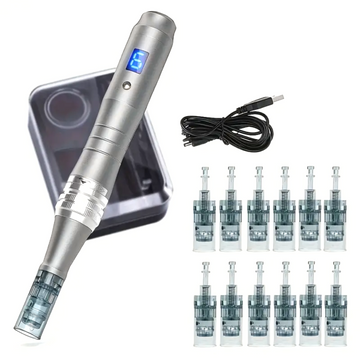
Derma Pen Follicly™ avec 12 cartouches d’aiguilles réglables (16, 36 ou 42 aiguilles)


Fournisseur: Follicly™
Derma Stamp Follicly™ - 140 micro-aiguilles en titane réglables
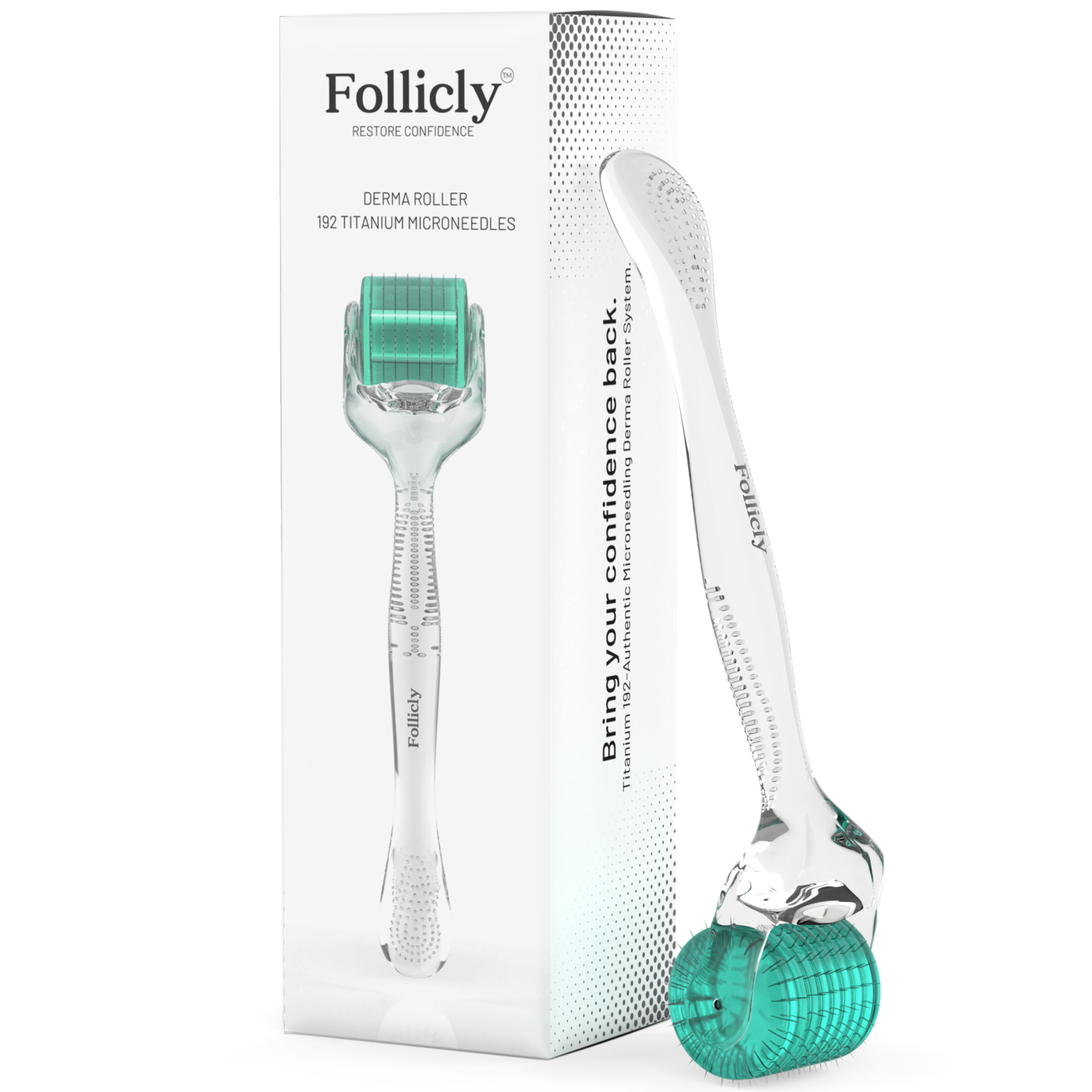

Fournisseur: Follicly™
Follicly™ Derma Roller – 192 micro-aiguilles authentiques en titane
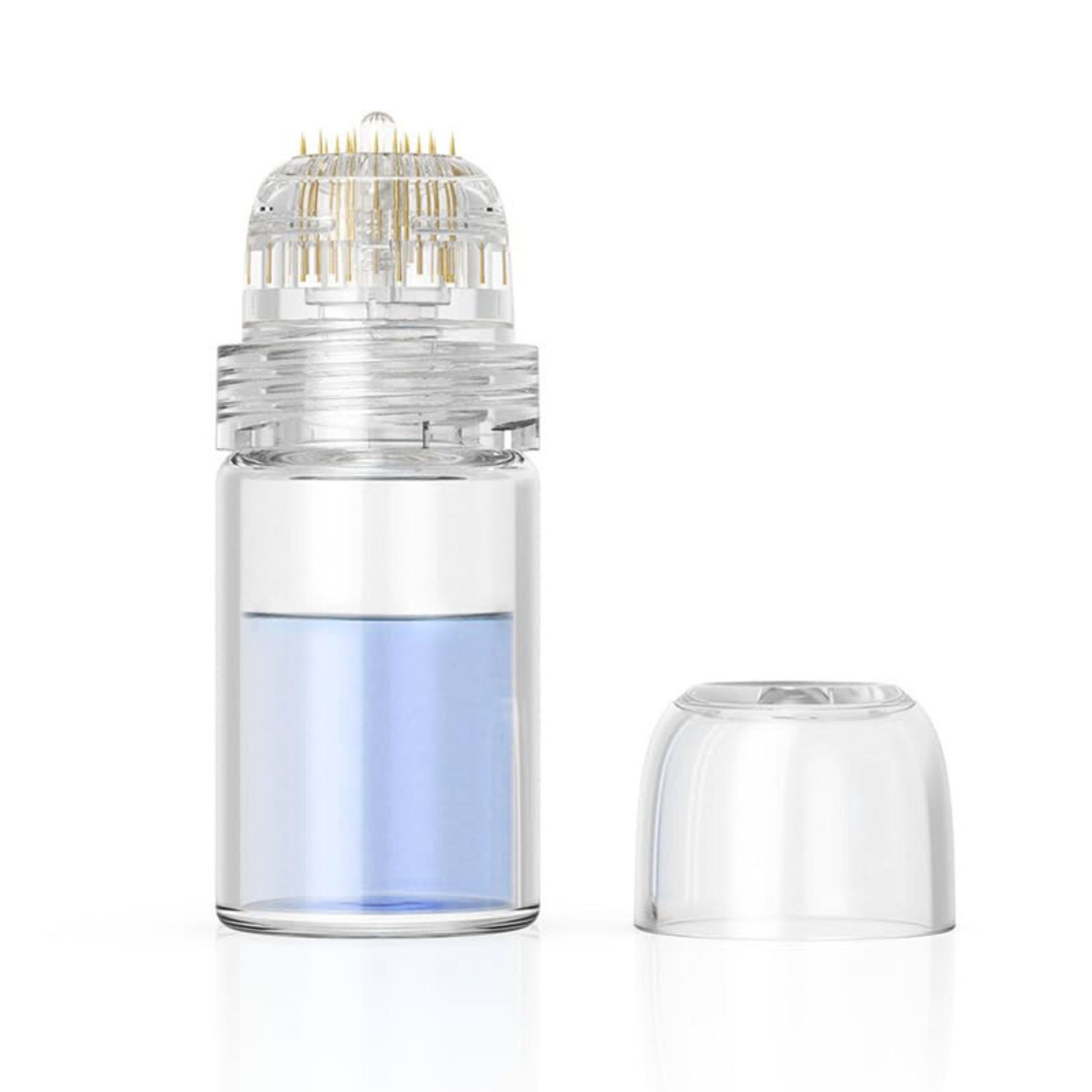
Fournisseur: Follicly™
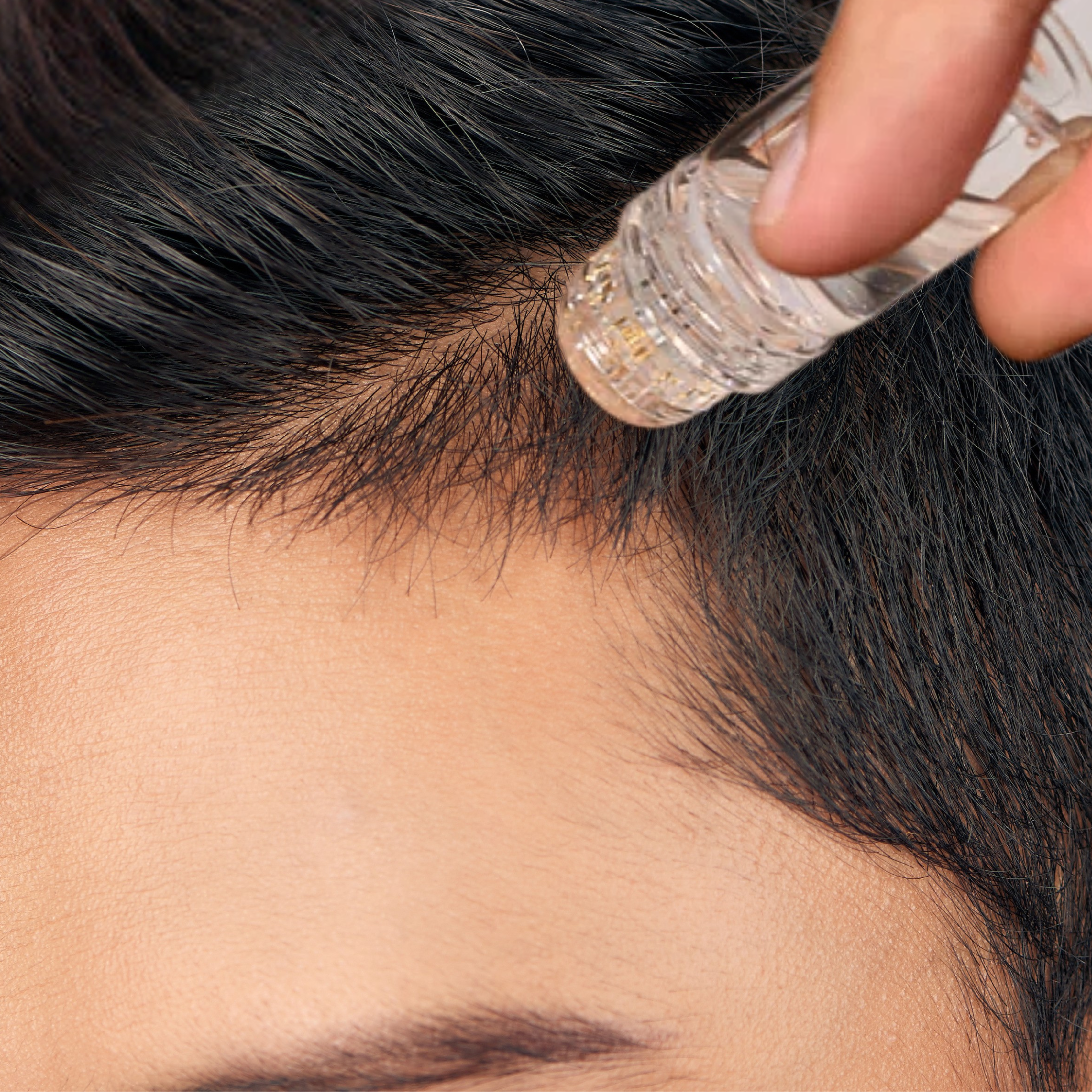
Applicateur de sérum Follicly™ – Aiguilles en titane micro‑injection
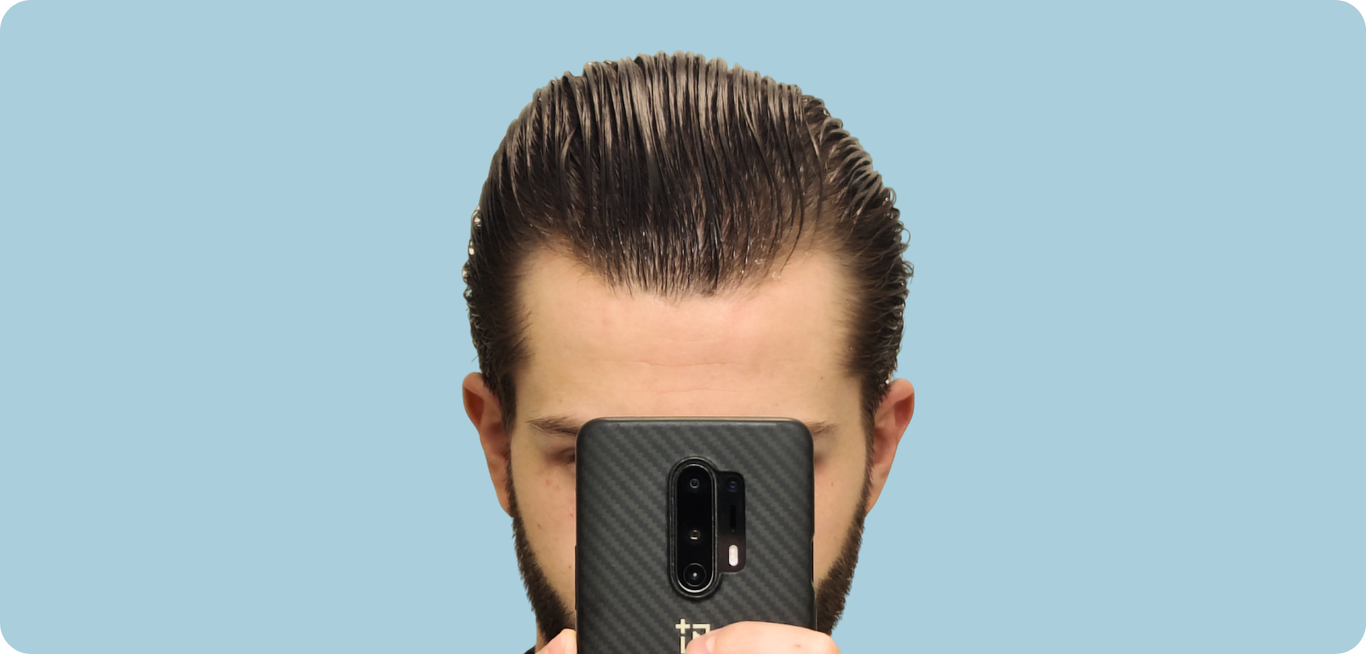
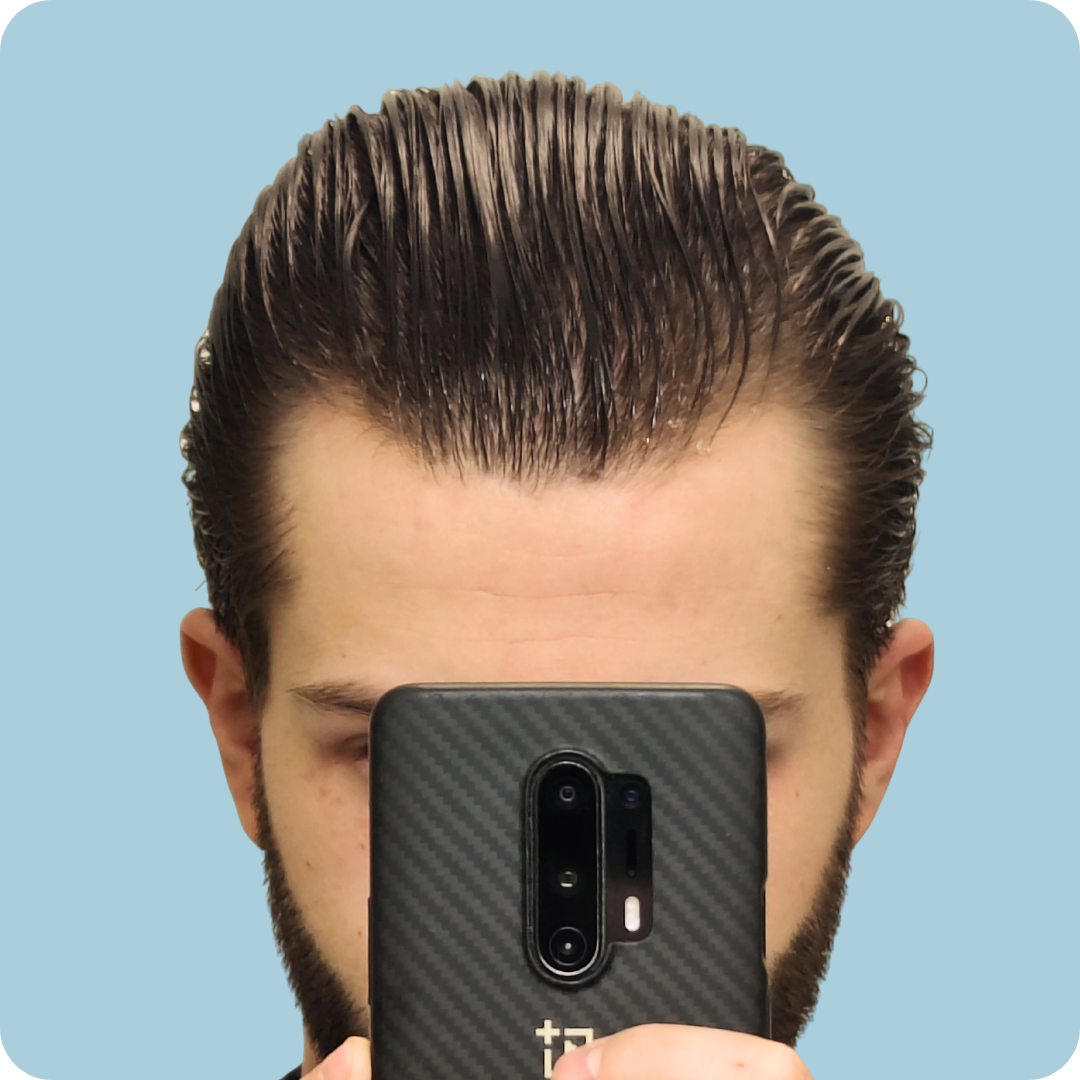
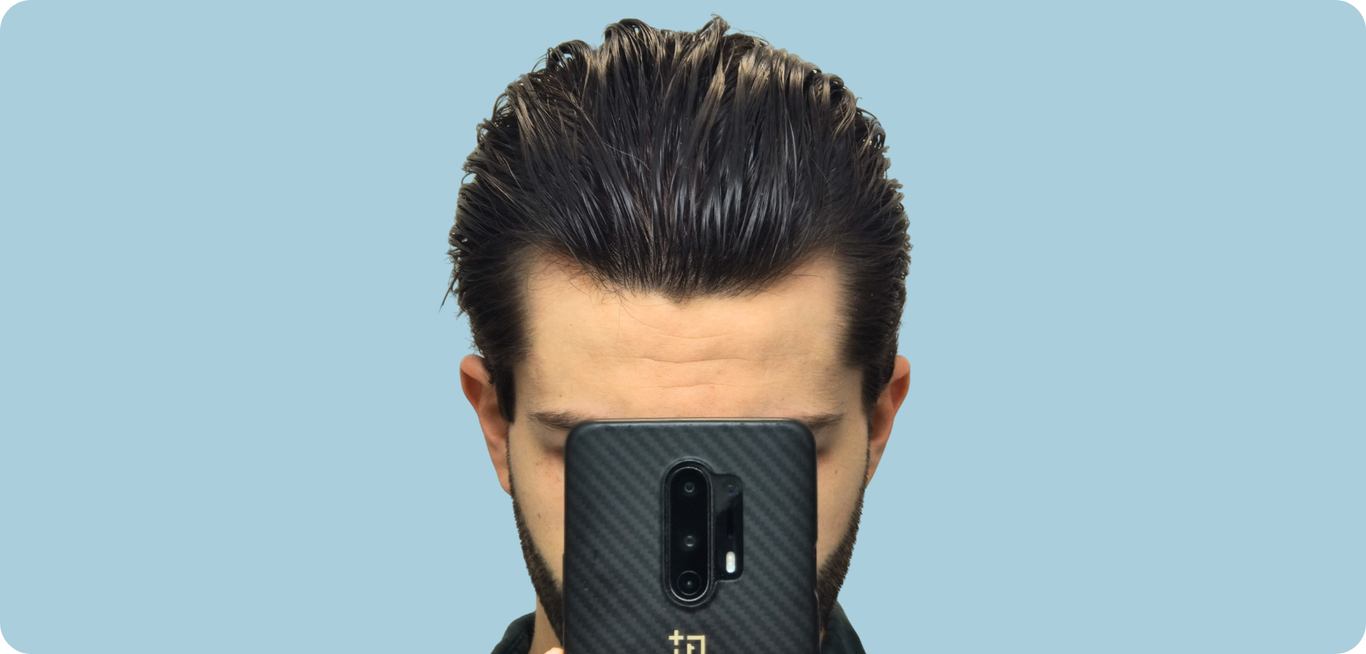
Retrouve ta confiance
Tu veux des cheveux plus sains et une peau plus lisse ? Nos outils de microneedling activent le processus naturel de réparation de ton corps pour des résultats réels.
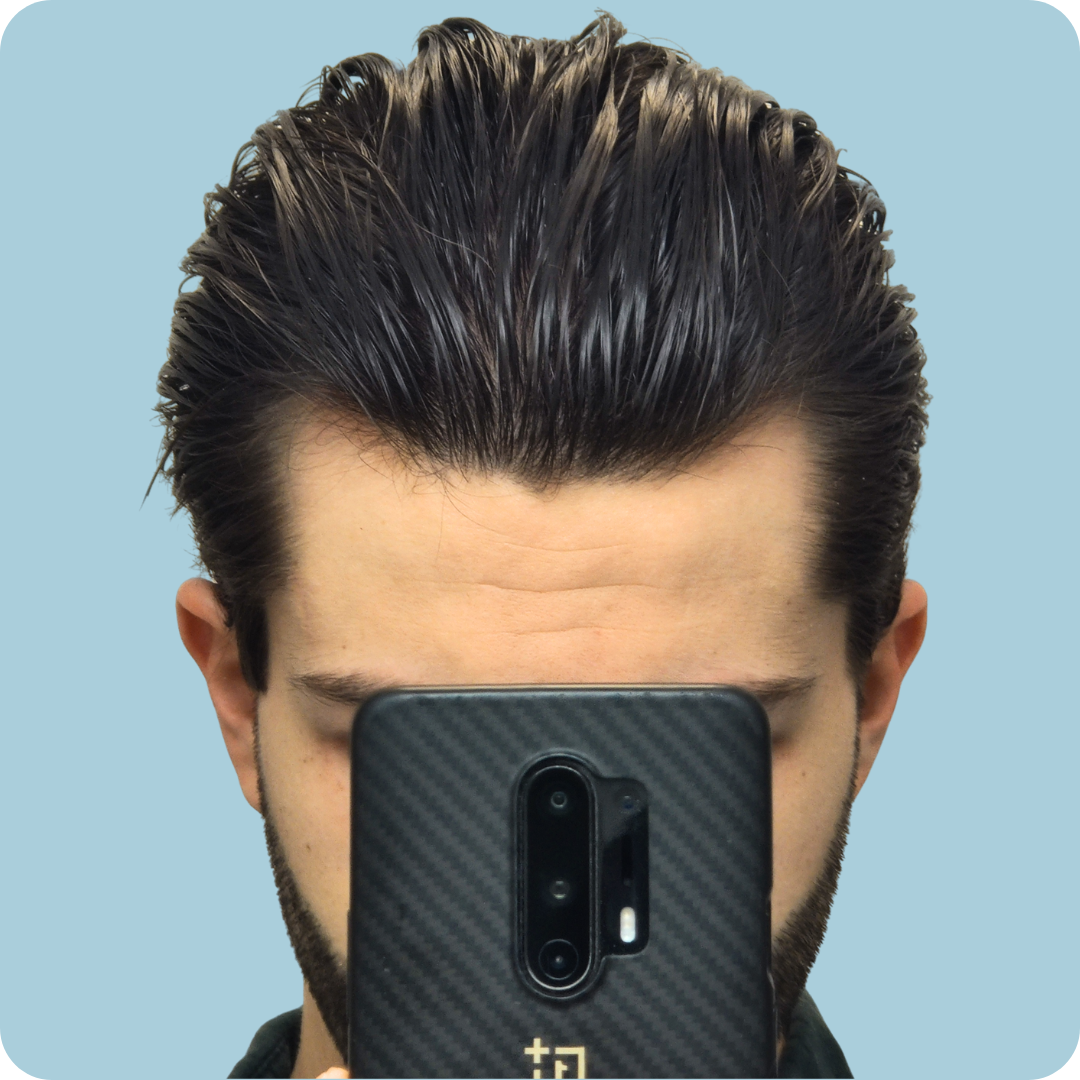

Améliore l’absorption des soins capillaires
Renforce l’efficacité des traitements topiques.

Solution naturelle pour les cheveux et la peau
Scientifiquement prouvé pour améliorer les cheveux et la peau.
Améliore la texture de la peau
Stimule la production de collagène, réduisant les ridules, les rides et les cicatrices.

Améliore l’absorption des sérums
Augmente la pénétration des produits, rendant les sérums et les crèmes plus efficaces.
Pourquoi le microneedling ?
Le microneedling est une méthode simple mais puissante pour stimuler le collagène, améliorer la peau et favoriser la pousse des cheveux. Il déclenche le processus naturel de réparation du corps, aidant à traiter la perte de densité capillaire, les cicatrices et le teint irrégulier. Nous proposons les meilleurs outils pour obtenir des résultats visibles.
Comment le microneedling aide-t-il contre la perte de cheveux ?
Comment le microneedling aide-t-il contre la perte de cheveux ?
Le microneedling crée de micro-perforations dans le cuir chevelu, augmentant la circulation sanguine et la production de collagène. Cela stimule les follicules pileux et favorise une croissance capillaire plus saine.
Est-ce efficace contre le vieillissement ?
Est-ce efficace contre le vieillissement ?
Absolument ! Le microneedling rajeunit la peau en activant les processus naturels de réparation, pour une peau plus ferme, plus lisse et d’apparence plus jeune.
Le microneedling fait-il mal ?
Le microneedling fait-il mal ?
La plupart des personnes ressentent une gêne minimale. Si vous le souhaitez, une crème anesthésiante peut être appliquée sur la zone à traiter afin de réduire la douleur pendant la procédure.
Le microneedling est-il sûr pour tous les types de peau ?
Le microneedling est-il sûr pour tous les types de peau ?
Oui, le microneedling est généralement sûr pour tous les types et teints de peau, mais les personnes présentant des infections actives, une acné sévère ou certaines affections cutanées devraient d’abord consulter un dermatologue.
Vu sur TikTok
Follicly™ Derma Roller – 192 micro-aiguilles authentiques en titane
€14,99
Derma Pen Follicly™ avec 12 cartouches d’aiguilles réglables (16, 36 ou 42 aiguilles)
€69,99

Derma Stamp Follicly™ - 140 micro-aiguilles en titane réglables
€19,99
Follicly™ Derma Roller – 192 micro-aiguilles authentiques en titane
€14,99
Follicly™ Derma Roller – 192 micro-aiguilles authentiques en titane
€14,99
Derma Roller 192 aiguilles authentiques en titane
🌱 Stimule la repousse des cheveux
✨ Améliore la texture de la peau
🎯 Microneedling précis
🪡 Aiguilles authentiques en titane
Follicly™ Derma Roller – 192 micro-aiguilles authentiques en titane
€14,99
Derma Pen Follicly avec cartouches remplaçables
🌱 Favorise le renouvellement des cheveux et de la peau
✨ Améliore la texture de la peau
🌍 Couvre de plus grandes zones
👍 Facile à utiliser
Derma Pen Follicly™ avec 12 cartouches d’aiguilles réglables (16, 36 ou 42 aiguilles)
€69,99
Tampon dermique à micro-aiguilles réglables (0,0 mm–3,0 mm)
🌱 Stimule la repousse des cheveux
✨ Améliore la texture de la peau
⚙️ Profondeur ajustable
🛡️ 140 aiguilles en titane
Derma Stamp Follicly™ - 140 micro-aiguilles en titane réglables
€19,99
Derma Roller 192 aiguilles authentiques en titane
🌱 Stimule la repousse des cheveux
✨ Améliore la texture de la peau
🎯 Microneedling précis
🪡 Aiguilles authentiques en titane
Follicly™ Derma Roller – 192 micro-aiguilles authentiques en titane
€14,99
Derma Roller 192 aiguilles authentiques en titane
🌱 Stimule la repousse des cheveux
✨ Améliore la texture de la peau
🎯 Microneedling précis
🪡 Aiguilles authentiques en titane
Follicly™ Derma Roller – 192 micro-aiguilles authentiques en titane
€14,99
Ce que disent nos clients
Mathieu P.
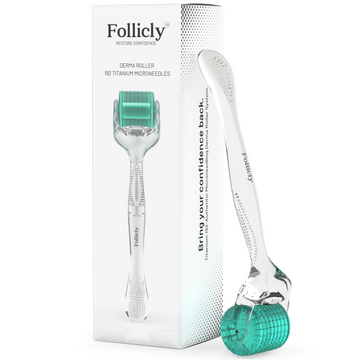
J’ai commencé à utiliser le derma roller et le minoxidil il y a 3 mois pour ma ligne frontale dégarnie. J’ai regardé quelques vidéos YouTube sur la technique du microneedling, et ça fonctionne vraiment. Ce que j’ai aimé avec ce derma roller, c’est à quel point il était bien protégé à la réception. Le derma roller ne fait pas vraiment mal, mais il faut l’utiliser une à deux fois par semaine. Et ne l’utilisez pas le même jour que le minoxidil, car cela peut légèrement piquer ensuite.
Sarah G.
J’ADORE ce Derma Stamp Follicly ! Le design en tampon est tellement plus facile à utiliser que le modèle à rouleau, et la profondeur est réglable selon les zones. Cet outil est particulièrement utile pour ma peau mature et mes cheveux clairsemés. Il est devenu indispensable dans ma routine d’entretien. Ai-je mentionné que je l’adore ? Utilisez-le avec précaution et responsabilité. Essayez-le, j’espère que vous l’aimerez autant que moi !

Élodie T.
Je m’attendais à ce que ce rouleau fasse un peu mal à cause des nombreuses aiguilles qu’il contient, mais à ma grande surprise, il ne fait pas du tout mal. Je l’ai trouvé très apaisant et relaxant.
Chloé B.
Au début, j’étais un peu méfiant à cause des nombreuses aiguilles du derma roller, mais j’ai finalement été impressionné : une légère gêne pendant l’utilisation, puis une peau incroyablement douce le lendemain. L’appareil est plus solide et plus élégant en vrai, avec un design clair et soigné. L’étui de rangement est très pratique. YouTube m’a beaucoup aidé avec ses conseils, et ce produit est devenu une vraie découverte pour ma routine de soin. J’aurais juste aimé avoir surmonté mes hésitations plus tôt !
Camille S.
Fonctionne mieux que prévu. Je l’ai acheté pour mon copain, car il a quelques petites zones clairsemées dans la barbe. En l’utilisant, il avait un peu peur que cela fasse mal, mais ça ne le dérange pas du tout. Jusqu’ici tout va bien — je ferai une mise à jour dans quelques mois pour partager les progrès.
Julien D.
Ma femme a été ravie de ce produit et de la façon dont il l’a aidée à se sentir mieux. La qualité est vraiment excellente, et elle a apprécié le fait qu’il soit assez petit pour tenir dans son sac à main et l’emporter partout avec elle.
Articles de blog

What Is the Best Microneedling Needle Size for Hair Growth?
Microneedling has emerged as one of the most promising complementary treatments for androgenetic alopecia (pattern hair loss). In recent years, clinical research has shown that controlled microneedling of the scalp can stimulate hair follicles and significantly improve the effectiveness of treatments such as minoxidil. However, one important question remains: What needle size actually works best for hair regrowth? While many online sources suggest that deeper needles produce better results, scientific studies indicate that moderate needle depths may actually be more effective. In this article we’ll review the scientific evidence on microneedling depth and explain which needle sizes appear to produce the best results. How Microneedling Stimulates Hair Growth Microneedling works by creating small controlled micro-injuries in the scalp using fine needles. These micro-injuries trigger the body’s wound-healing response, which stimulates hair follicles through several biological mechanisms. Growth factor release Microneedling stimulates the release of growth factors involved in hair regeneration, including platelet-derived growth factor and vascular endothelial growth factor. Activation of follicle stem cells Research suggests that microneedling can activate stem cells located in the hair follicle bulge region, which helps initiate the growth phase (anagen) of the hair cycle. Improved absorption of topical treatments Microneedling creates microscopic channels in the scalp that allow topical treatments such as minoxidil to penetrate more effectively. Because of these mechanisms, microneedling is increasingly used alongside standard hair loss treatments. ➡️ Tools designed specifically for scalp microneedling, such as the Follicly Derma Stamp, allow precise needle depth control for consistent stimulation. Evidence From Clinical Research The Landmark 2013 Microneedling Study One of the first randomized controlled trials investigating microneedling for hair loss was conducted by Dhurat et al. (2013). In this study, patients with androgenetic alopecia were divided into two groups: 1) Minoxidil only 2) Minoxidil combined with weekly microneedling After 12 weeks, the microneedling group experienced significantly greater hair regrowth compared with the minoxidil-only group. The authors concluded that microneedling can be a powerful adjunct therapy for hair loss treatment. This study helped establish microneedling as a legitimate approach for stimulating hair growth. ➡️ Many people now incorporate microneedling tools like the Follicly Derma Stamp into their hair-regrowth routine alongside topical treatments. What Needle Depth Works Best? Most microneedling devices used for hair loss operate within the following range: 0.5 mm to 1.5 mm However, researchers have recently started investigating whether smaller needle depths may actually work better. The 0.6 mm vs 1.2 mm Clinical Study A clinical study published in the Journal of Cosmetic Dermatology compared two microneedling depths in patients with androgenetic alopecia. Researchers divided 60 patients into three groups: 1. Minoxidil only 2. Minoxidil + microneedling at 0.6 mm 3. Minoxidil + microneedling at 1.2 mm After 12 weeks, both microneedling groups experienced significantly greater hair growth than the minoxidil-only group. However, an interesting finding emerged: The group treated with 0.6 mm needles showed better hair growth outcomes than the 1.2 mm group. Researchers suggested that moderate needle depths may stimulate the follicle environment effectively without causing excessive trauma to the scalp. Why this matters Many people assume deeper needles produce stronger results.But this study suggests that moderate stimulation may actually be optimal for hair follicles. ➡️ The Follicly Derma Stamp can be adjusted precisely to 0.6 mm — allowing users to match the needle depth used in this clinical study. Evidence From Systematic Reviews More recent systematic reviews and meta-analyses confirm that microneedling improves hair regrowth when combined with standard treatments. These reviews consistently show that: 1) Microneedling significantly increases hair count and hair density 2) Combining microneedling with minoxidil produces better results than medication alone 3) Moderate needle depths appear to be effective for stimulating hair follicles Importantly, researchers emphasize that consistency of treatment may be more important than extremely deep needle penetration. ➡️ Devices with adjustable depth settings — such as the Follicly Derma Stamp — allow users to maintain consistent treatments across sessions. Recommended Needle Sizes Based on Current Evidence Based on the available research, the following needle depths are most commonly recommended. Needle Depth Purpose 0.5–0.6 mm Strong stimulation with minimal scalp trauma 1.0 mm Deeper stimulation for thicker scalp areas 1.5 mm Occasionally used in clinical settings The available evidence suggests that around 0.6 mm may be an optimal depth for many users. ➡️ Because the Follicly Derma Stamp features adjustable needle depth, it can easily be set to 0.6 mm for treatments aligned with current research. Why Many Users Prefer Derma Stamps Over Rollers While dermarollers were the first popular microneedling devices, many practitioners now prefer derma stamps for scalp treatments. Derma stamps offer several advantages: 1. More precise needle depth 2. Less hair tangling during treatment 3. Vertical penetration instead of rolling pressure 4. Better control in areas like the temples and hairline Because derma stamps apply needles vertically, they allow more controlled and consistent stimulation of the scalp. ➡️ The Follicly Derma Stamp was specifically designed for scalp microneedling and hair-regrowth treatments. Conclusion Clinical research increasingly supports microneedling as a useful complementary treatment for hair loss. Studies show that: - Microneedling significantly improves the effectiveness of topical treatments like minoxidil - Moderate needle depths may be more effective than very deep needles - A clinical study found 0.6 mm performed better than 1.2 mm for stimulating hair regrowth Consistency and proper technique appear to be the most important factors for achieving results. ➡️ The Follicly Derma Stamp allows precise depth adjustment — including 0.6 mm — making it easy to follow microneedling protocols supported by current research. Start Your Microneedling Routine Microneedling is one of the most promising non-surgical methods for stimulating hair growth. When performed consistently and combined with proven treatments like minoxidil, it can significantly improve hair regrowth outcomes. If you're looking for a microneedling tool designed specifically for scalp treatments: 👉 Try the Follicly Derma Stamp Adjustable needle depth. Precision microneedling. Designed for hair growth.
Apprendre encore plus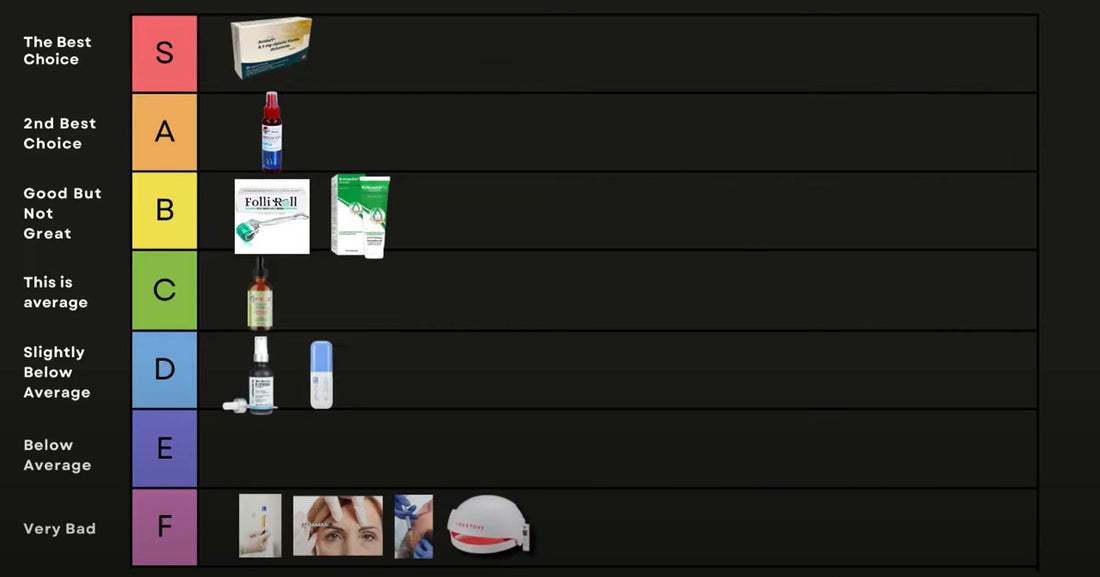
Ranking Hair Loss Treatments: From Worst to Best
When it comes to addressing hair loss, numerous products promise results, but not all live up to their claims. Having restored my hair using some of these treatments, I want to help you navigate your options by evaluating their effectiveness, safety, price, and accessibility. 1. Minoxidil Minoxidil bottle 5% for hair loss (Kirkland). Effectiveness: 10/10 Minoxidil (Rogaine) is a proven vasodilator that stimulates hair growth, making it one of the best options available. Many users, including myself, have seen impressive results in as little as three months. Safety: 8/10 FDA-approved and generally safe, Minoxidil can cause side effects like heart palpitations if used excessively. Stick to the recommended 1-2 ml daily. Price: 9/10 Costs around $20/month for branded versions, with cheaper options like Kirkland at just $5/month. Accessibility: 10/10 Widely available online and in pharmacies. 2. Derma Roller Derma roller for hair loss (FolliRoll). Effectiveness: 5/10 The derma roller creates micro-injuries to the scalp, promoting collagen production. Alone, it yields limited results, but combining it with Minoxidil can enhance effectiveness significantly. Safety: 7/10 While generally safe, improper use can lead to scarring. A needle length of 0.3 to 1.5mm is advisable. Price: 10/10 Typically priced between $10 and $20, I recommend a quality option like FolliRoll. Accessibility: 6/10 Available online, but not commonly found in drugstores. 3. Finasteride and Dutasteride Finasteride and dutasteride for hair loss (generic brand). Effectiveness: Finasteride: 8/10, Dutasteride: 9/10 These DHT blockers are well-researched and effective for preventing hair loss. Dutasteride tends to yield slightly better results. Safety: 7/10 Some users experience sexual side effects, but the overall incidence is low. Price: 8/10 Usually around $20/month, depending on location. Accessibility: 6/10 Requires a prescription, making it less accessible than over-the-counter options. 4. Anti-androgens (RU5884 and Pyrilutamide) Anti-androgens for hair loss (RU5884 and Pyrilutamide). Effectiveness: 6/10 These topical treatments block DHT at the receptor level. Results are variable and often lack substantial evidence, but some studies suggest potential effectiveness for androgenetic alopecia. Safety: 8/10 Topical application minimizes systemic side effects. Users report fewer adverse effects compared to oral medications. Price: 0/10 At approximately $68/month, they're significantly more expensive than Minoxidil. Accessibility: 4/10 Limited availability and often require online ordering, as they are not typically stocked in pharmacies. 5. PRP (Platelet-Rich Plasma) and Injectables PRP (Platelet-Rich Plasma) and Injectables for hair loss. Effectiveness: PRP: 4/10, Botox: 2/10, Mesotherapy: 4/10 PRP treatments use the patient’s own blood to stimulate hair growth, but results can be inconsistent. Botox may temporarily reduce scalp tension but has minimal impact on hair growth. Mesotherapy involves injecting vitamins and other substances into the scalp but lacks robust evidence supporting its efficacy. Safety: 5/10 Injection carries risks of infection and discomfort, but when performed by a qualified professional, serious complications are rare. Price: 0/10 PRP treatments can range from $1,500 to $3,500, making them prohibitively expensive. Other injectables also tend to be costly, often requiring multiple sessions. Accessibility: 0/10 Require clinical visits, adding to the time and cost, which can be a barrier for many seeking treatment. 6. Ketoconazole Shampoo Ketoconazole shampoo for hair loss (Nizoral). Effectiveness: 6/10 Often used for dandruff, ketoconazole has antifungal properties that may help reduce scalp inflammation, indirectly benefiting hair growth. Safety: 9/10 Generally safe for most people, though allergic reactions are possible. Price: 8/10 Typically ranges from $10 to $20, depending on the brand. Accessibility: 8/10 Available over-the-counter at pharmacies and online. 7. Rosemary Oil Rosemary oil for hair loss (Mielle). Effectiveness: 6/10 Some studies suggest that rosemary oil may be as effective as Minoxidil for stimulating hair growth, primarily due to its ability to improve circulation to the scalp. Safety: 9/10 Generally safe, though skin irritation can occur in sensitive individuals. Price: 10/10 Affordable, usually costing around $10 for a bottle. Accessibility: 10/10 Readily available at health stores and online. 8. Laser Therapy Laser treatment for hair loss (IRestore). Effectiveness: 2/10 Laser devices claim to stimulate hair follicles and improve hair density, but results can vary widely among users. Safety: 10/10 Non-invasive with minimal side effects reported. Price: 0/10 Home devices can cost between $200 and $500, while professional treatments can be much higher. Accessibility: 6/10 Home devices are available online, but professional treatments require clinic visits. Conclusion With a great variety of options available, it's crucial to focus on what works best for you. Minoxidil remains a top choice for its effectiveness, safety, and accessibility. Combining treatments like Minoxidil with a derma roller or DHT-Blockers can maximize results. Always consult with a healthcare professional before starting any new treatment.
Apprendre encore plus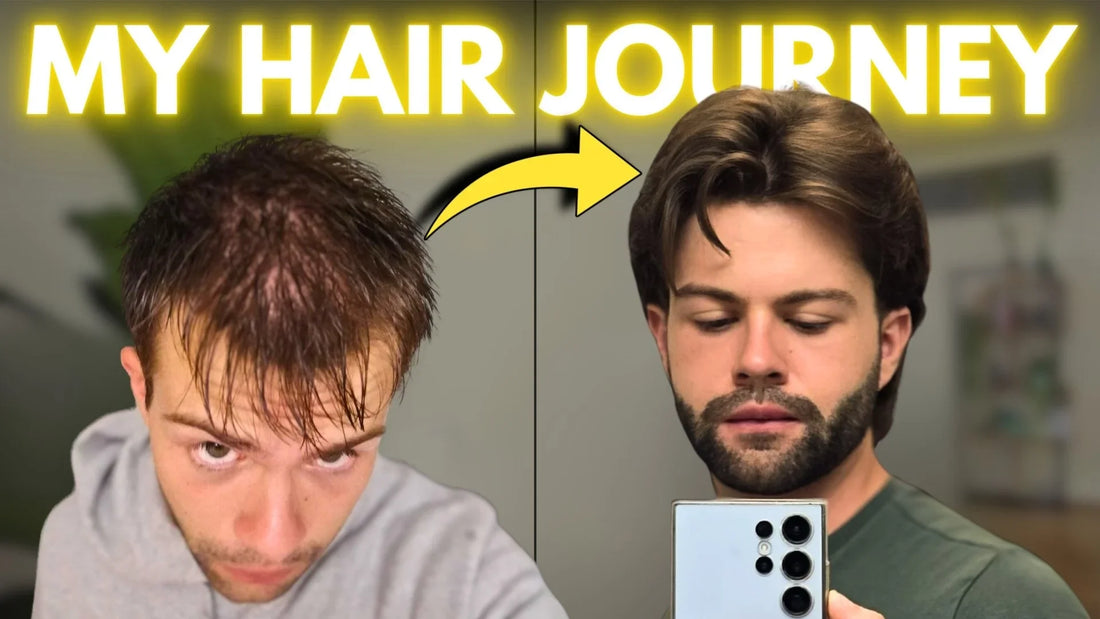
My Finasteride Hair Regrowth Success Story (Month-by-Month Results)
Many people who have seen my videos know me for my incredible hair regrowth journey. Here’s a comparison of me before and just three months after starting minoxidil and the derma roller. Month 1 vs Month 3 results on Minoxidil and Derma Roller (before and after). Pretty insane, right? What most people don’t know is that before seeing these amazing results with minoxidil and the derma roller, I had been using another hair loss treatment on its own—finasteride. I was on finasteride way before starting minoxidil and derma rolling. So today, I want to share my story about how I first started balding at 20, how I began taking finasteride, and my month-by-month results from using ONLY finasteride. This way, if you're experiencing hair loss, or know someone who is, you'll have a good idea of what to expect. Finasteride block the production of DHT, the hair loss hormone. Hi, my name is Al Garrido, and welcome to another blog. I remember that when I first started to lose my hair at age 20, I was desperate to find a solution. I simply couldn’t allow myself to go bald so young. This is my personal opinion, but I feel like going bald makes you feel insecure, and robs you from a lot of opportunities that you would have otherwise had. I looked everywhere for videos and stories of people who managed to regrow their hair. That’s why I know that you will really appreciate this story if you are in a similar situation. Just take notes and comment below your questions and progress on any hair loss treatment. Before starting finasteride (month 0): Alright, so these are the first pictures of me before starting finasteride. As you can see, the situation was not good. In this picture in the middle, you can see how bad my temple area was looking, with a lot of hair gone by then. The same can be said about the crown area, which was clearly visible at that time. So all these are pictures of the month 0, when I started taking finasteride. Month 0, pictures from temple and crown area. Month 0, pictures from the crown area. Month 1 and 2 results (slight improvement): Going next to month 1, I’m not going to lie, there was a slight improvement, but not very much. You need to consider that finasteride can stop hair loss, but it’s a long process. Month 1 results. This is me on month 2 of taking finasteride. Here, believe it or not, I was starting to notice some new hair growth. It was very slight, but this before and after comparison should help you see the difference. The same can be said of the temple area, which was slowly but steadily showing some new baby hairs coming out. Month 2 results (crown area). Month 2 results (temple area). Month 3 results (happy about the progress): Month 3 was great! Whenever I compared the pictures with before, I was very happy because I knew I was making real progress. Month 3 crown area results. Month 3 temple area results. As you can see, I was still having noticeable hair loss, but it was substantially better than before. And with Finasteride, 3 months is still the beginning of the potential results, as we will see later. Month 4 results (THE SCARY HAIR SHEDDING): Anyway, this hype soon vanished, because, at month 4, something terrible happened. I got a hair shedding. Hair shedding, for those who don’t know it, is when your hair starts to fall out faster and more often than normal. The hair shedding can happen between month 1 and 4 of taking finasteride. This usually happens with finasteride and is usually a good thing. It means that the weak and old follicles are being replaced by new and healthier ones. The crown and temple area were significantly worse after the hair shedding. However, as you can imagine, it’s still very shitty when it happens. The month 4 pictures still showed better results than from the beginning, but worse if you compare it to month 3. Month 4 finasteride results on the temple area. Month 5 results (the recovery): Anyway, this is temporary, and at month 5, I already started to see sign of recovery. Here’s a before and after comparison of my crown area, which was visibly better at this point than compared to the beginning. Month 5 crown area results on finasteride. The same can be said of the temple area. Month 5 temple area results on finasteride. Month 6 (slow and steady): Month 6 was also great. Again, my hair loss is at this point still visible, but the situation has improved already significantly. Month 6 crown area results on finasteride. Not only did I recover some of my hair, but the existing hair was also starting to get thicker. Month 6 temple area results on finasteride. Month 7 (NIGHTMARE Once Again) and SEXUAL SIDE EFFECTS: But, one month later, the worst thing happened again. I got a SECOND hair shedding. And I believe this one was worse than the first one. Before I show you the pictures my my second hair shedding, let me briefly mention the topic of SIDE EFFECTS. Many people are afraid of taking finasteride, because of its potential sexual side effects, such as erectile dysfunction. What I think about this, is that the internet, once more, has exaggerated things, and it’s not as bad as you think. I’m not a doctor, so what I’m going to say is only based on my own experience and on everything I’ve read. I’ve never experienced ANY side effects with Finasteride. For me, it was completely safe. But it's true that a small percentage of people taking finasteride, have experienced them. They normally go away if you stop the treatment, so that’s good news. Anyways, I don’t think it’s something that should scare you from trying. If you are interested in learning more about that, I will leave you a study here, which talks about the percentages of people who have experienced side effects. Anyways, back to the topic. As I mentioned before, month 7 was without a doubt a terrible month, since I experienced my second shedding phase. Month 7 (second shedding phase). Month 7 (second shedding phase). I know it looks bad now, but a little shedding may be a good thing since your hair will grow back stronger and thicker than before. Which is what happened. Month 8 and 9 (the light at the end of the tunnel): This is month 8, and the hair started to grow back. Month 8 results on finasteride. Month 9 was even better. This is a before-and-after comparison between the beginning and month 9. Before and after finasteride results (9 months results). Months 10, 11 and 12 (3 months of steady growth): Month 10 was more or less the same. Here you can see the improved crown area in contrast to month 0. Month 10 results on finasteride (crown area). Here are now some pictures of months 11 and 12. Month 11 results on finasteride. Month 12 results on Finasteride. Year 1.5 on Finasteride (an unexpected improvement): Now, remember how I told you at the beginning that finasteride is a game of patience? The reason I say that is because, believe it or not, the best results from finasteride came after year 1. This is when the hair REALLY started to back as healthy and great as before. For example, this is me 1.5 years after starting finasteride. 1.5 years on Finasteride results. I remember my family asking me what the heck was going on. Why was a young boy like me, who was previously going bald, suddenly getting all his hair back? Year 2 (rocking the long hair): So now we enter year 2. This is when I started growing my hair long. Which, admittedly, was always a dream for me to do. Here you will be able to compare results from month 0 with year 2. Finasteride year 2 results. Finasteride year 2 results. Not only did I regrow that hair back, but I also managed to get a ton of new hair density. So yeah, finasteride is great, and any of this would not have been possible without finasteride. The downfall of my hair (again): That being said, finasteride is NOT a hair loss cure. The reason I say this is because 4 years after taking finasteride, I started to lose my hair again. Losing ground on finasteride on year 4. This can happen to very strong cases of hair loss, like mine. That’s when I started using minoxidil and the derma roller. With even GREATER results than when I was using only finasteride. Minoxidil, finasteride and derma roller results (Before and 3 months after). Until next time, I wish you a happy hair journey!
Apprendre encore plus
Meilleur Derma Roller en France
Vous cherchez le meilleur derma roller pour le microneedling à domicile ? Ce rouleau hautement apprécié aide à stimuler le collagène, lisser la peau, favoriser la repousse des cheveux et soutenir la croissance de la barbe. Sûr, efficace et facile à utiliser — procurez-vous le vôtre dès aujourd’hui !