
News
Pros & Cons of Minoxidil for Thinning Hair
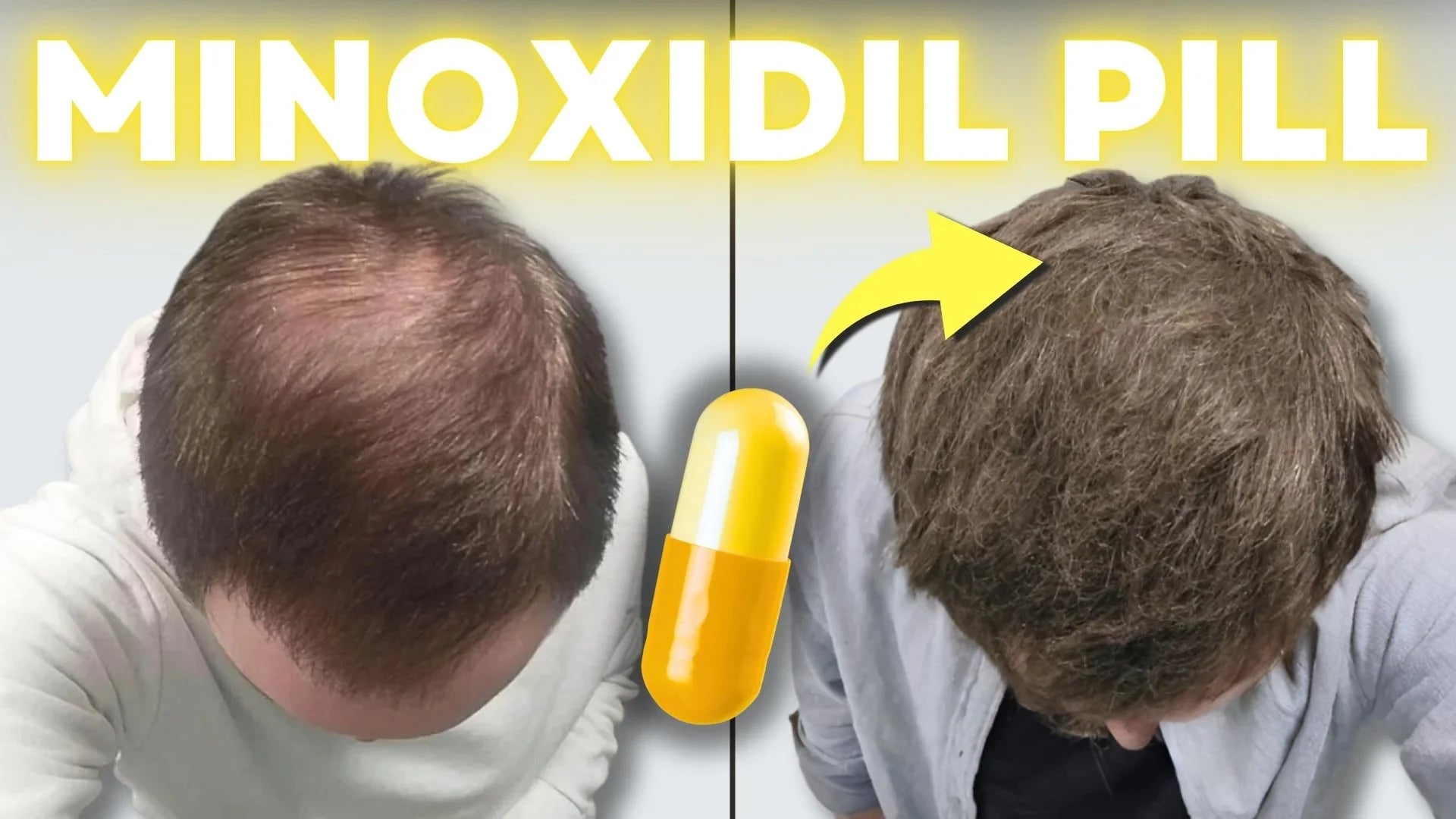
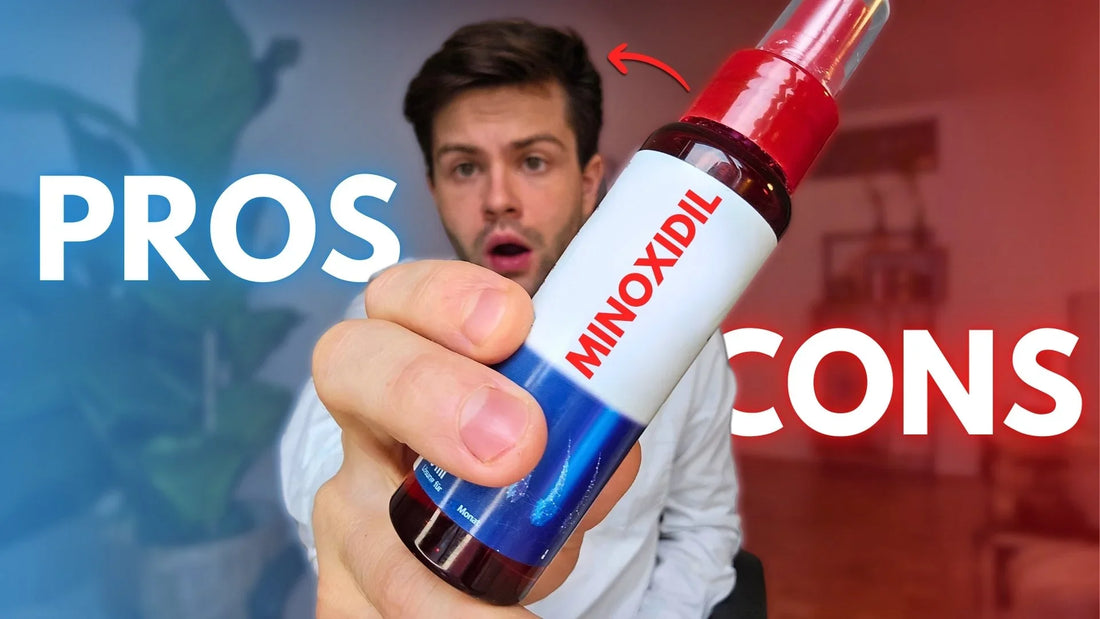
A lot of people ask about the benefits and risks of using Rogaine. I’ve made videos on hair loss for years, and I personally use Minoxidil. But there’s still a lot of confusion about the pros and cons of this product. So let me help clear things up. What is Minoxidil and how often should you use it? First, Minoxidil is a liquid you put on your scalp, often twice a day. The companies recommend using it once in the morning and once at night. But since Minoxidil stays active for around 22 hours, you can use it just once a day and still get good results. This is what I do myself. MInoxidil for hair loss (Kirkland). Will it grow all your hair back? It’s important to know that Minoxidil won’t grow back all your hair if you’re already bald. So if you think it will give you a full head of hair, it won’t. But what it can do is slow down hair loss. Remember, genetic hair loss usually gets worse over time. So if Minoxidil can slow it down and maybe even thicken your hair, that’s a big benefit. It might not make all your hair come back, but it can make a positive change in how your hair looks. You also have to use Minoxidil every day for it to work. If you don’t use it regularly, you’ll notice more hair shedding. Minoxidil puts your hair into a growth phase, so if you use it randomly, your hair will shed more often. It’s normal to shed in the first few weeks, but after that, your hair should get thicker and fuller. What happens if you quit Minoxidil? Another question people ask is, “What if I stop using Minoxidil? Will I lose all my hair?” Not exactly. If you stop, your hair will just go back to how it would have been if you’d never used it. Before Minoxidil, Minoxidil results, and stopping Minoxidil. Some people use this as a reason not to start, but I think that’s a mistake. It’s like brushing your teeth—you wouldn’t stop just because they might get bad if you quit. Or think about exercise: if you work out, you stay strong. If you stop, you lose strength over time, but that doesn’t mean you shouldn’t start. It’s the same with Minoxidil.
Learn more
Pros & Cons of Finasteride for Hair Loss
A lot of people ask about the benefits and risks of using finasteride. I’ve been talking about hair loss solutions for years, and I know there’s still a lot of confusion around this medication. So let’s go over the key things you need to know about finasteride. What is finasteride and how does it work? First, finasteride is a pill you take once a day, and it works by lowering a hormone called DHT in your body. DHT is one of the main reasons for hair loss in people with male-pattern baldness. By reducing DHT, finasteride helps slow down hair loss and can even encourage some hair regrowth. It’s important to understand that finasteride isn’t an instant fix. It can take a few months to start noticing results, and you’ll need to keep taking it to maintain those results. So if you’re looking for something that works overnight, finasteride isn’t that kind of solution. But if you’re patient and consistent, it can really make a difference. Finasteride stops the production of DHT, which promotes healthier follicles. What about Finasteride’s side effects? One thing that often worries people are the potential side effects. Some people report issues like decreased libido or mood changes. However, these side effects are pretty rare, and many people don’t experience any issues at all. It’s also important to talk to your doctor about any concerns you have; they can help you decide if finasteride is right for you. Can I have children while taking Finasteride? Now, another concern some people have is about having children while using finasteride. The good news is that finasteride does not necessarily affect your ability to have children. However, if you’re planning to start a family, you can stop taking finasteride while trying to conceive, and then resume once you’ve had your child. This is something you can discuss with your doctor if it’s an important issue for you. What happens if I stop taking Finasteride? Another common question people have is, “What happens if I stop taking finasteride?” Just like with Minoxidil, if you stop, your hair will eventually go back to how it would have been without the medication. This doesn’t mean you’ll lose *all* your hair, but the benefits will fade over time. I think it’s a mistake to avoid finasteride just because of this. It’s like eating healthy—just because you might lose some of those benefits if you stop doesn’t mean it wasn’t worth it to begin with. Conclusion And remember, genetic hair loss is progressive. This means that, if left untreated, it will likely get worse over time. Finasteride can help slow it down, which can be really valuable for anyone looking to keep the hair they have. These are some of the main things people need to know about finasteride. I hope this helps clear up some confusion.
Learn more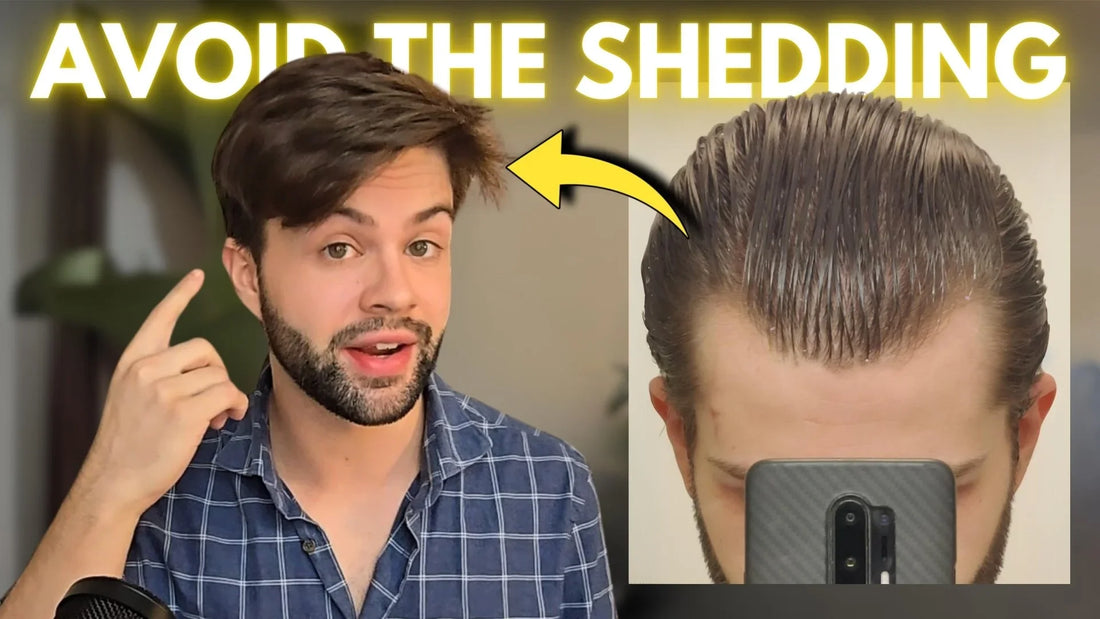
How to AVOID Shedding Hair with Minoxidil and Finasteride
If you have started Finasteride, Minoxidil, or any other hair loss treatment, you are probably worried about the hair shedding phase. I know this personally from when I started losing my hair, but there are many simple tricks you can use to reduce the shedding phase and start regrowing your hair as soon as possible. So today, I will show you the shedding phase I had, how long it lasted, and tell you the things that worked for me to reduce it and start regrowing my hair sooner. Shedding phase of the hair after starting a hair growth treatment. Hi, if you're new to the channel, my name is Alvaro. The shedding phase is probably the scariest part of starting any new hair loss treatment. I mean, if you're already balding, it's terrifying seeing your hair starting to fall faster than it did before. It's also scary because you don't know if this is temporary and your hair will eventually grow back or if you're just continuing to go bald. But don't worry, because we are going to talk about this and the best solutions to make sure you get through the shedding phase as quickly as possible. Before I tell you the remedies to avoid a long shedding phase, let me show you what my shedding phase was like. This was me before I started using Minoxidil, Finasteride, and the derma roller. As you can see, I had significant thinning, especially in the temple area. My hair was already looking bad. My hair results on the big 3 (before and after). I started these treatments, and if you're curious, the first shedding phase usually occurs after the first four weeks of starting a new hair growth treatment. So during the first four weeks, nothing really happened. Then, in week four, you will notice a rapid increase in hair fall, which is exactly what happened to me. You can see it here in week four compared to week one, where my hair was looking much worse and much thinner. I remember seeing hair everywhere—on my pillow, in the shower, and in the sink. Every time I ran my hand through my hair, I would find three or four hairs. The worst part was the itching. My scalp was unbearably itchy, and I had to scratch it all the time. So you might ask yourself, "Who in their right mind would go through this just to lose more hair than they did before?" Well, it turns out that it all worked out in the end because four weeks later, in month two, I started to see some hair regrowth. Month three was even better, as you can see here compared to month one. That's the whole idea behind using these hair growth treatments. Unfortunately, there's nothing you can really do to completely avoid the hair shedding phase. It's going to happen whether you like it or not, but there are many things you can do to reduce the time you're shedding hair. These are the things that worked for me: 1. Start all hair treatments at once: The big 3 for hair loss If your plan is to start a combination of treatments, such as Finasteride with Minoxidil or Minoxidil and a derma roller, don't use them separately. In other words, if you're starting Finasteride, you will go through one shedding phase. If you later decide to start using Minoxidil, you will go through a second shedding phase because each treatment works differently. So if you begin these treatments at different times, you will go through several shedding phases, which is something you will want to avoid. It's better to start all the treatments simultaneously. That way, you will have one big shedding phase, and that's it. After that, you can expect your hair to continue growing. 2. Use a ketoconazole shampoo: Ketoconazole Shampoo for hair shedding (Nizoral) Ketoconazole shampoo, also known as Nizoral, is without a doubt one of the best hair loss treatments today. The reason is that it has some anti-inflammatory properties, which is essential because it can help shorten the shedding phase after starting a new hair loss treatment. Not only that, but remember how I mentioned the intense itching during the shedding phase? The ketoconazole shampoo is a game changer for that. It helps calm the itching significantly—kind of like submerging your head into cold water. I highly recommend it because it will make your hair journey much easier. I've left a link in the description to a ketoconazole shampoo you can buy on Amazon.
Learn more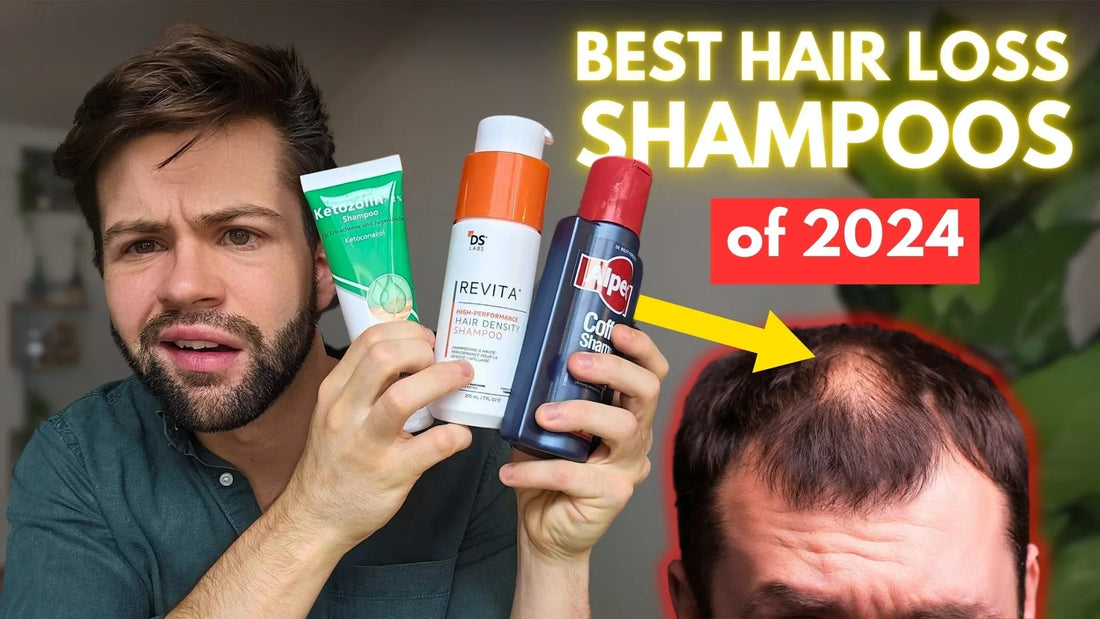
The BEST Hair Loss Shampoos I Tested in 2025: My Honest Review
Hair loss sucks. It’s frustrating, disheartening, and, unfortunately, something many of us experience. The good news? There are plenty of treatments out there today that can help prevent or slow it down. If you’re on the hunt for a solution, shampoos can be a great addition to your hair care routine. But not all shampoos are created equal. In this post, I’ll share **the three best shampoos for hair loss** I’ve personally tested this year, along with how to use them for the best results. 1. Alpecin Caffeine Shampoo Alpecin shampoo for hair loss This one’s a classic, and for a good reason. Alpecin contains caffeine, which is known to stimulate hair follicles and improve scalp health. - How I Use It: I apply Alpecin three times a week—Monday, Wednesday, and Friday. To let the caffeine penetrate effectively, I leave it on my scalp for about 7 minutes (even though the instructions recommend only 2 minutes). - Results: Over time, I’ve noticed a reduction in shedding and slightly stronger hair. However, this isn’t a miracle cure—it requires consistency, and results typically take around 3 months to become noticeable. - Key Tip: Like most hair loss treatments, if you stop using it, the benefits fade. 2. Revita Shampoo by DS Laboratories Revita shampoo for hair loss Revita takes things up a notch with a powerful mix of ingredients, including caffeine, biotin, and niacinamide. - How I Use It: I alternate between Revita and Alpecin, using Revita on Tuesdays, Thursdays, and Saturdays. - Results: Revita helped my hair look and feel thicker, which was particularly important when I was going through the initial shedding phase of other hair treatments. While this thicker hair effect is mostly visual, it’s a confidence booster during the regrowth process. - Downsides: It’s pricey at $35 per bottle, but since I only use it three times a week, one bottle lasts 2-3 months. - Missing Ingredient: Revita used to include ketoconazole, a game-changer for hair loss, but it’s no longer part of the formula. 3. Ketoconazole Shampoo (e.g., Nizoral) Ketoconazole (Nizoral) shampoo for hair loss This is the most important shampoo for regrowing hair. It tackles dandruff, reduces scalp inflammation, and can significantly decrease shedding. - How I Use It: I use ketoconazole shampoo only once a week to avoid drying out my hair. I time it for the day after microneedling, as the antifungal properties help clean the scalp and prevent infections. - Why It’s Essential: Ketoconazole has been shown to block DHT, a hormone linked to hair loss. Plus, it soothes the itchiness that often comes during shedding phases when using treatments like minoxidil or finasteride. - Pro Tip: Microneedling before using this shampoo enhances its effectiveness by allowing the active ingredients to penetrate the scalp more deeply. Final Thoughts If you’re serious about tackling hair loss, combining these shampoos can make a big difference. Here’s a quick recap of how to use them effectively: 1. Alpecin: 3 times a week to strengthen hair. 2. Revita: Alternate 3 days a week for thicker-looking hair. 3. Ketoconazole: Once a week to combat dandruff, inflammation, and shedding. Consistency is key, so stick with your routine for at least 3 months to see results. And remember, shampoos work best as part of a holistic hair care plan—pair them with treatments like minoxidil, finasteride, or microneedling for optimal results. Have you tried any of these shampoos? Let me know your thoughts in the comments below!
Learn more
The Best Derma Roller for Hair Loss
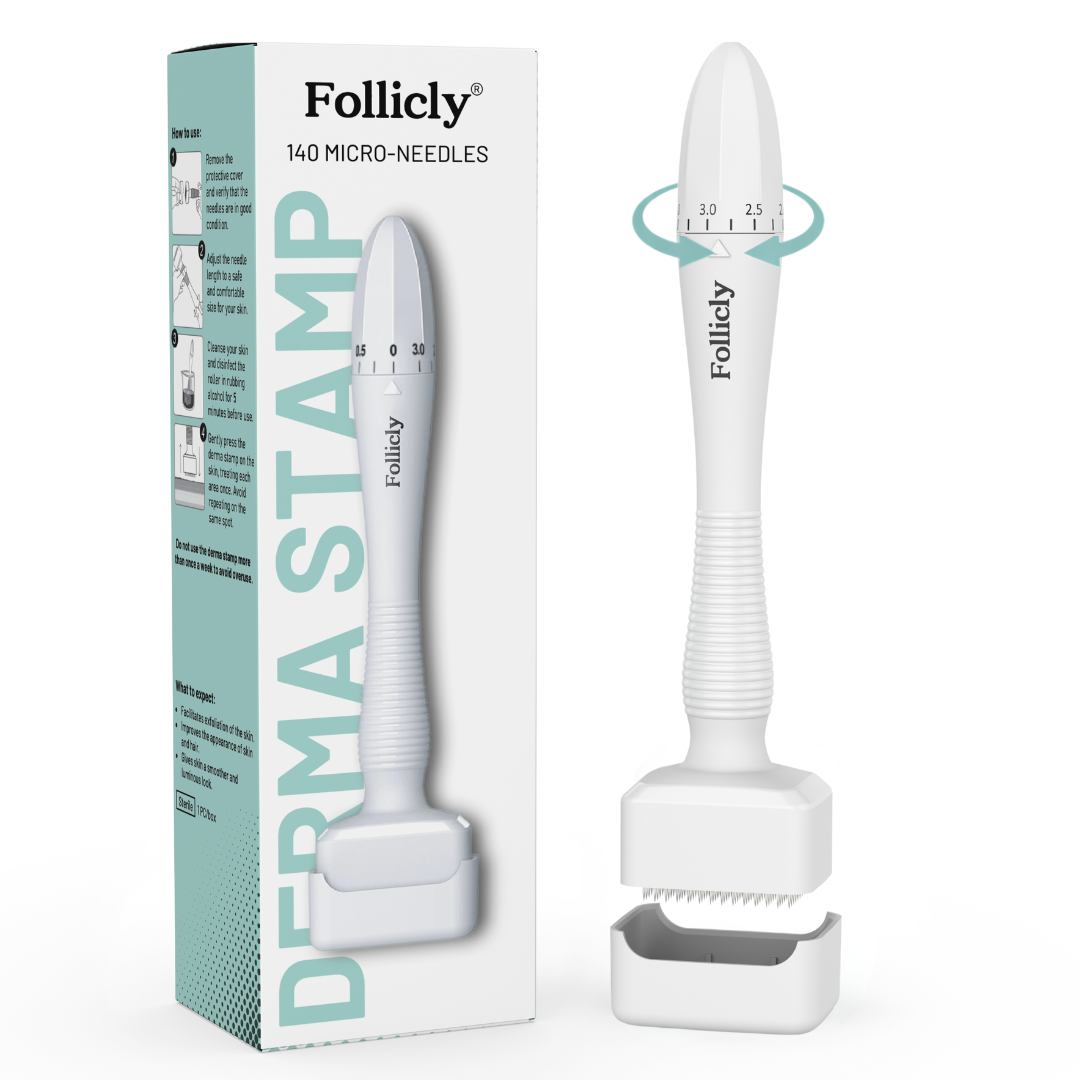
What's the best derma roller for hair loss you can buy on Amazon? I've been derma rolling for a year to regrow my hair. This was me in month one, and now in month 12. Derma rolling, minoxidil and finasteride results (before and after). But in this one year, I've made a lot of mistakes when choosing the right derma roller. Some derma rollers were fake or didn’t work at all. So today, I’m going to bring you a quick guide on which derma rollers you should choose and avoid on Amazon. What’s the derma roller? Hi, my name is Al Garrido, and welcome to another blog. The derma roller is, in my honest opinion, one of the best treatments I’ve ever used to regrow my hair. Also called microneedling, it's a device with tiny needles that make micro-injuries in the skin. These micro-injuries heal quickly, encouraging the production of collagen and elastin fibers. But apart from improving the appearance of the skin, people use it today as a treatment for hair loss. Microneedling creates punctures in your skin that promote hair growth. In 2021, a study found that microneedling significantly improved hair growth, more than minoxidil. In general, using a derma roller is great for stopping hair loss, especially if you combine it with other treatments. However, it can be confusing to choose the right one on websites like Amazon and, to make it work, you need to choose the right derma roller. Not all derma rollers are the same, and some work better than others. So, let’s take a look at the derma rollers that help regrow your hair. Rolling microneedling devices: There are two types of microneedling devices: stamping and rolling microneedles. Looking at the rolling ones, these are the most popular and common to see. The derma rollers are more popular, cheaper and easy to use. What I like about these derma rollers is that they are much cheaper and easier to use. You can find them everywhere on the internet. But out of all these, only one is good for better hair growth. 192-needle derma rollers are better for hair growth than 540-needle derma rollers. The 540-needle derma roller is often called fake because it doesn’t have real needles. Instead, it has discs with a sharp triangular shape at the end. These rollers are not the best because they often break. The triangular-shaped end of the derma roller can cause more skin damage compared to a derma roller with real needles. So instead, when looking for a derma roller, you should choose one that has real needles, like this one. These are a bit more expensive, but not by much. And the fact that they use real needles is important to reduce damage to the skin. It is when you let your skin heal that the hair regrowth begins. So the sooner the skin heals, the better for your hair regrowth. That's why I recommend a 192-needle derma roller. Microneedling the temple area with a 192-needle derma roller. Stamping microneedling devices: Then, on the other side, you have the stamping devices. These can be derma stamps or derma pens. Instead of rolling it over the scalp, these devices microneedle from up to down. These are great, but I would only recommend a derma pen for advanced users. Stamping microneedle devices (derma pen vs. derma stamp). The good thing about a derma pen is that it is automatic. It has a tiny motor that does the job of microneedling for you. You only need to move the derma pen. The downside of these is that they can be very expensive, so I wouldn’t recommend it if you’re just starting your microneedling journey. Microneedling the temple area with a derma pen. If you're curious about microneedling and you want to try it out, I would recommend a derma roller with real needles. This is a very good starting device for everyone. It will grow hair as much as a derma pen, and it’s much cheaper. Later, if you think you want to upgrade, you can go for the derma pen.
Learn more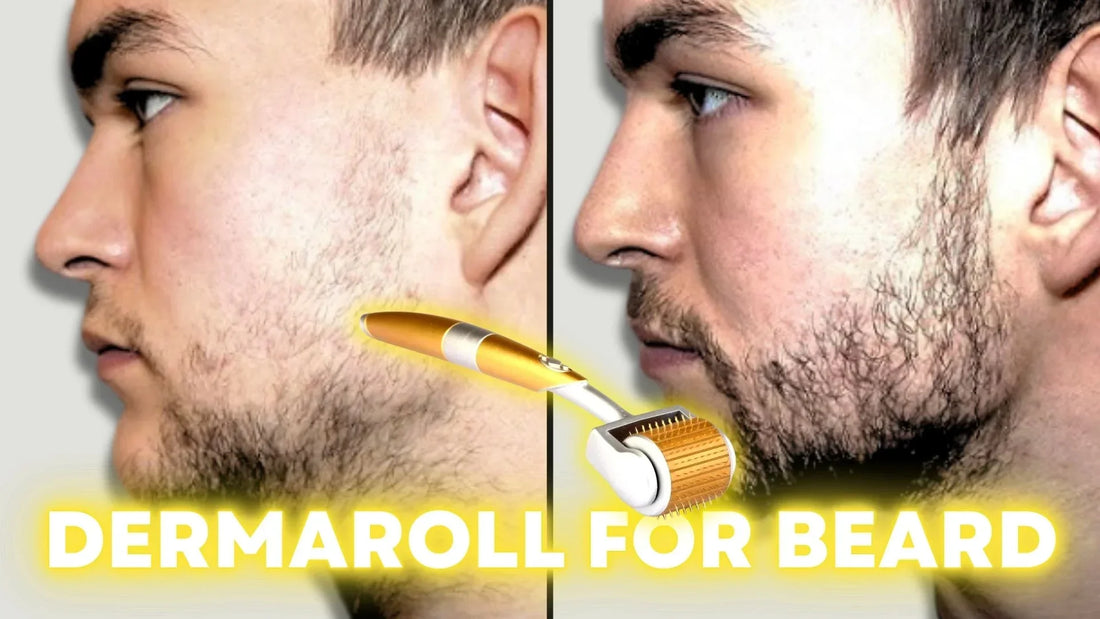
How to Derma Roll for Quickest Beard Results (Step-by-Step Guide)
Can the dermaroller help you grow a beard? If so, what's the correct technique to make it work? I've been scrolling through thousands of posts of people who dermaroll their face to grow a beard and to understand how they did it. So today, I'm going to show you the quickest technique to grow a beard with a dermaroller only for the areas where you decide to grow hair. Derma rolling for beard growth (before and after). The dermaroller is one of the best hair-stimulating treatments in existence today. People use it to stimulate hair growth in different areas, including the scalp. I know this because these were my 3-month results of using the dermaroller on my hair. My 3-month derma roller and minoxidil results (before and after). But apart from its ability to prevent further hair loss, it is also widely used today for making facial hair grow stronger and more visible. When using a dermaroller for beard growth, there are a few things you need to consider. First, you need to choose the correct dermaroller: The dermaroller comes in different needle sizes ranging from 0.25 to 1.5 mm. Shorter needles are suitable for beginners and are usually considered enough to stimulate mild blood circulation to the beard area. But to reach the follicles and enhance collagen production, you should opt for longer needles. The ideal needle length to start is 0.3 mm, which is the one I use. Never use needles longer than 1.5 mm for your safety. The ideal needle lenght for beard growth is 0.3 mm Second, you need to use the dermaroller correctly: Disinfect the roller with alcohol for 5 minutes before using it on your face. If you don't have alcohol at home, you can use warm water and soap, which will be sufficient to kill any microorganisms. Desinfect the derma roller before using it on alcohol or warm water and soap. Roll the dermaroller gently in the desired area horizontally. Repeat the movement 5 to 7 times in the desired area. Lift the roller and repeat 5 to 7 times vertically. The skin should turn slightly red — that's when you'll know that you did it correctly, and you can move to the next area. Use it one or two times a week, never more than that, since you need to give your skin some time to recover. How to derma roll in all directions. At last, the most important step: apply a beard serum. Most people apply a serum after dermarolling their face. This is important since the correct serum will increase your results tenfold. But some serums work better than others. The best serum you can use is minoxidil. This is the one I use on my scalp, which gave me those amazing results. If you prefer, there are other natural oils you can buy on Amazon. But for this example, I will use minoxidil since it's the one that works the best. Use the dropper that comes in the minoxidil box, apply 1 ml of minox to the beard each day for 2 to 3 months. You will start to see results by that time. Applying minoxidil after derma rolling. Unlike with the hair on your scalp, you can stop using minoxidil on your beard once you have grown it, which is a plus. The same goes for the dermaroller since the beard hair will stay there forever once you've made it grow. If you would like to see a step-by-step tutorial on how to grow beard with the dermaroller, watch this video. Until next time, I wish you a happy hair journey. Bye!
Learn more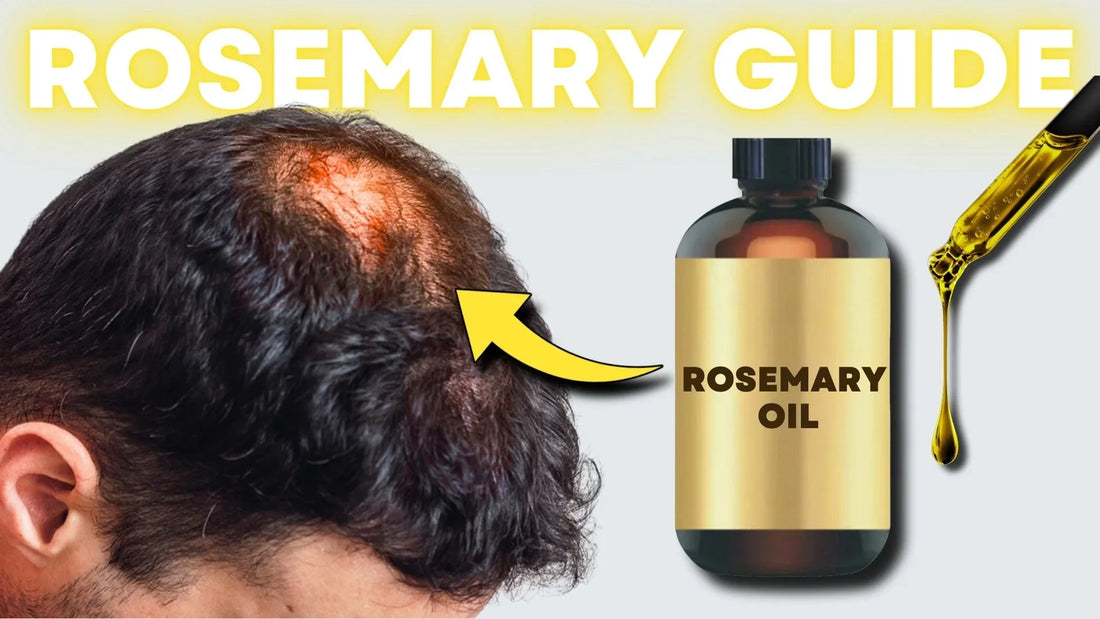
How to Use Rosemary Oil for Best Hair Results (Step-by-Step Guide)
Can rosemary oil regrow hair? If so, how do you use rosemary oil correctly to make it work? Like this user, you can regrow hair using rosemary oil in less than 180 days, but how he really did it is not what you think. 6 month hair growth results with rosemary oil. So today, I will show you the correct technique to ensure the best results in the shortest possible time. Also, at the end of this article, I'll give you two bonus tips to increase your rosemary results even more. What’s the science behind rosemary oil? Today, rosemary oil is used for its hair and skin benefits, which include its anti-inflammatory and antimicrobial properties. It is used to treat acne, itchy skin, and even improve overall skin health. But apart from its benefits for the skin, it is more popular today as a treatment against hair loss. Researchers think it can increase blood circulation in the scalp, which will promote hair growth. A 2015 study found that when comparing rosemary oil to minoxidil, which is the best existing hair stimulator, it had similar results in regrowing hair. But even if some people use this study to say it works, the truth is that one study is not enough to prove it actually does. And also, to have the desired results, there are a few things you need to consider. How to use rosemary oil? First and most importantly, choose the right rosemary oil. Rosemary oil is a concentrated oil, so it can irritate the scalp and even cause further damage. Rosemary oil is concentrated and may irritate or damage the scalp. That is why, to make it safe, people dilute it with a carrier oil. Carrier oils are oils that you mix with the rosemary, like argan, coconut, or even castor oil. To do this, put 1 tablespoon of your favorite oil, in this case, castor oil, and 30 drops of rosemary oil. Doing your own rosemary oil solution. If you want to skip this process, I recommend getting a pre-made rosemary oil from Amazon. Second, apply rosemary oil to the scalp. Separate the hair into three or four parts, exposing the scalp. Apply five drops of the oil to each section and massage it for 5 minutes to evenly distribute it. Third, leave it on for at least 30 minutes or even overnight for best results. Also, you should use rosemary oil at least two or three times a week for it to work. You can shampoo your hair afterward as usual to remove the oil. Bonus tips: Finally, I’m sharing two extra tips for quicker hair growth: 1. Use a derma roller before applying the rosemary oil. This is what the earlier user did with the rosemary oil to get those results, but make sure to buy a derma roller with 192 real needles, in order to minimize trauma to the skin. 2. Even though rosemary oil looks like a promising treatment, it still needs way more testing in clinical trials. If you want a treatment for hair growth that is proven to work, try minoxidil. This is also the product I personally use with a derma roller, and I was able to regrow my hair in 10 weeks. Click on the video below to watch a full guide on how to use rosemary oil for hair growth. Until next time, I wish you a happy hair journey!
Learn more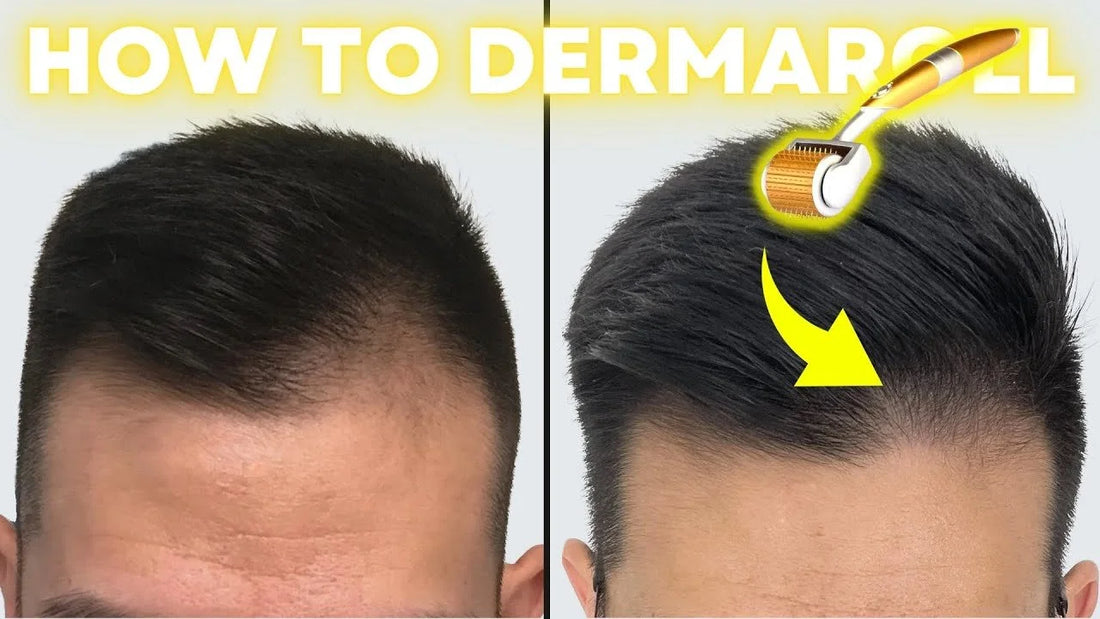
How to Derma Roll for Quickest Hair Results (Step-by-Step Guide)
Can the derma roller make your hair grow back? If so, how do you microneedle correctly to make it work? I Derma rolled for 10 weeks and successfully managed to grow my hair back, plus I gained a ton of new hair density. My before and 3-months after results (derma roller, minoxidil and finasteride). So today, I’m going to show you the correct technique to ensure the best results in the shortest possible time. The Derma roller, also called micro-needling, is a device with tiny needles that works by causing micro-injuries to the skin without significantly damaging the skin barrier. These micro-injuries heal quickly, leading to the stimulation of collagen and elastin fiber production, which can improve the appearance of the skin. Apart from being an effective way to reduce the appearance of scars, dark spots, and wrinkles, it’s largely known today for being one of the best treatments against hair loss. Among it's biggest benefits, the derma roller works against hair loss. A 2021 review found that micro-needling may be more effective at increasing hair growth than minoxidil. It effectively promotes hair growth by stimulating the dermal papilla. However, using minoxidil and micro-needling together is far more effective than micro-needling alone. To achieve the desired results, there are a few things you need to consider: First, choose the right Derma roller: Choosing the right Derma roller is very important to achieve the best results without damaging the skin. The Derma roller comes with different needle sizes. The correct size to promote hair growth is a needle depth between 0.3 to 1.5 millimeters. I personally started with 0.3 millimetres (much later transitioned to 1.5-millimetre needles). I’ll leave a link to that size. Second, Derma roll correctly: You only need to Derma roll the area where your hair is thinning or already lost. If, like me, you have temple recession, it’s enough to microneedle only in the temple area. If your hair loss is more severe and extensive, you can Derma roll in other areas where your hair is also thinning. To start, create a parting in your hair to expose the scalp. To do this, you can slightly moisten your hair with water and flatten it to avoid the roller getting caught. How to derma roll: derma roll the area where your hair is thinning or already lost Now, microneedle your scalp in the thinning area 5 to 7 times vertically. Lift the roller and microneedle 5 to 7 times horizontally. Just apply light pressure. You'll know you've done it correctly when your skin turns slightly red. The needles are so short that this process doesn't hurt... much! 😉 You should derma roll at least once a month for it to be effective. For better results, however, perform this process once a week — this is my personal routine as well! Bonus tips: The first bonus tip is to apply minoxidil after derma rolling for better results. Many studies have shown a significant increase in hair count and density when these two treatments are combined. The same results can be seen in countless testimonials from people who have tried it. Combination of derma roller and minoxidil (before and after results). Studies and anecdotal evidence vary, so it’s still unclear how much time you should leave between derma rolling and applying minoxidil. I personally apply minoxidil right after derma rolling, but you can also choose to wait 24 hours after microneedling to apply minoxidil for higher safety while still getting great results. The second bonus tip: If you decide to start with a Derma roller, make sure you clean it properly after each use. You can use cleaning alcohol, which is readily available at any drugstore, or warm water and soap. This will kill any microorganisms and make it safe to use again.
Learn more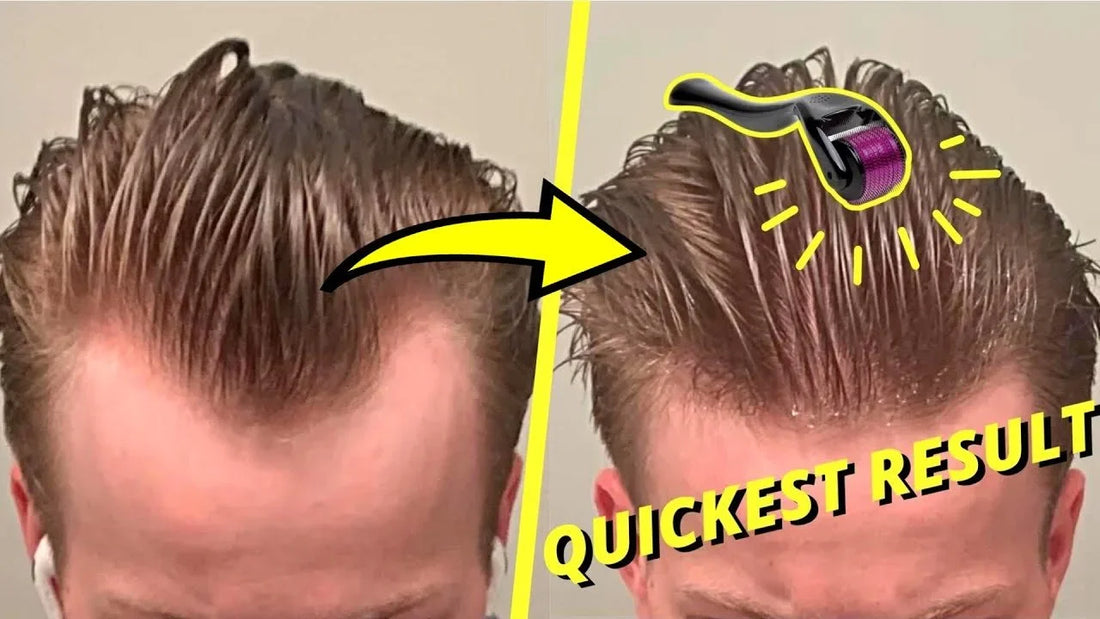
How to Get BEST Results with a Dermaroller (Shocking)
Hey guys, Al Garrido here. Today we'll take a closer look at microneedling, also called derma rolling, for treating hair loss. Derma rolling, as we know it today, is a very recently discovered technique that is used to treat several problems, such as acne, healing of scars, and skin rejuvenation. However, what is also very interesting is that microneedling is perceived today and used as one of the best treatments to combat hair loss. Even more fascinating is that when combined with minoxidil, people, including myself, tend to see much faster and better results. So the question arises: if combined with minoxidil, how much better is it? Is it worth the inconvenience of adding minoxidil, or if you're already using minoxidil, should you add microneedling to the treatment? Well, that’s the interesting part we’re going to be talking about today. To do that, I'm going to show you some anecdotal stories. Why? Because there’s a lot of scientific literature corroborating what I’m going to tell you, but not so many pictures accompanying it. I feel like it’s much better to see the results yourself to be convinced of the treatment in combination. So what I want is to show you some pictures of real stories so you can see with your own eyes how well these treatments work on their own or in combination with one another. First, I’ll show you stories of people just using microneedling, then people just using minoxidil, and lastly, people using microneedling and minoxidil in combination. So let’s start with microneedling and see if that alone regrows your hair. Only micro-needling (derma roller) results: Before and 3 months results (only microneedling). This user, for example, after having two hair transplants, had this result that you can see on the screen. Despite the hair transplants, he had severe thinning on the scalp, and it was clearly visible. The user, as he said in the post, didn’t want to use any medication, so he started to apply microneedling alone. These were the results before and three months after the treatment. In my opinion, this is a mild improvement in comparison to before the treatment. For a second example that may relate to people with less severe baldness, this other user was microneedling once a week with 0.5-millimeter needles. Temple area results only derma rolling (before-after). He had some thinning on the temple area of his head. Almost three months later, he was able to fill up that thinning and get back his normal hair density. So yeah, one can actually say that microneedling works well on its own when it comes to hair regrowth and also gaining new hair density. Only minoxidil results: Alright, let us take another look at another anecdote, but this time using just minoxidil. Minoxidil 2-months results (before-after). This other 32-year-old user was using topical minoxidil alone for two months, and these were the results. He clearly improved density on his accounts, in my opinion. In a second example, this guy had, as you can see, great thinning and balding. Minoxidil 5-months results (before-after). He started using minoxidil, and these were his five-month results—very impressive. I mean, I don't need to tell you much about minoxidil; there are thousands of scientific papers out there supporting its effectiveness in stimulating hair regrowth. However, I would never recommend using minoxidil alone since it does not stop the underlying issue of hair loss, which is the hormone DHT. It will only stimulate hair growth, but eventually, you will start losing your hair again after some years of using minoxidil if you don't use a DHT blocker such as finasteride to really tackle the root cause of hair loss. Derma rolling with minoxidil results: Alright, at last, let's take a look at some anecdotes of people combining minoxidil and dermarolling. Prepare yourself for some great results because by far, this is the best treatment method compared to what we've seen before. Combination of derma roller with minoxidil hair results (3 months results). This guy was between a Norwood 2 and a Norwood 3 before treatment. He started using topical minoxidil in combination with microneedling, and three months later, you can see his incredible results—he regained all of the hair around his temples. I mean, I wish I had that result, to be honest, because he returned back to being a Norwood 1. In all my years of looking inside Reddit forums and following people’s progress, this is by far one of the best success stories out there. You may wonder, however, if these results also look this good in people that are already very bald, something from a Norwood 5 to a Norwood 7. Combination of derma roller with minoxidil hair results (2 months results). For example, this other user, who was at the time a Norwood 6 or Norwood 7, also started applying minoxidil in combination with microneedling, and just two months later, these were the results—not as impressive as the other guy before, but still, he achieved very decent regrowth and a gain in hair density. The reason why he didn’t experience such a great result as the other user is simply that he started too late with the treatment. It’s well known in the scientific literature that the later one starts with any type of hair loss treatment, the less impressive the results will be. The guy we saw before was just 20 years old, and that also explains why he had such great results.
Learn more