
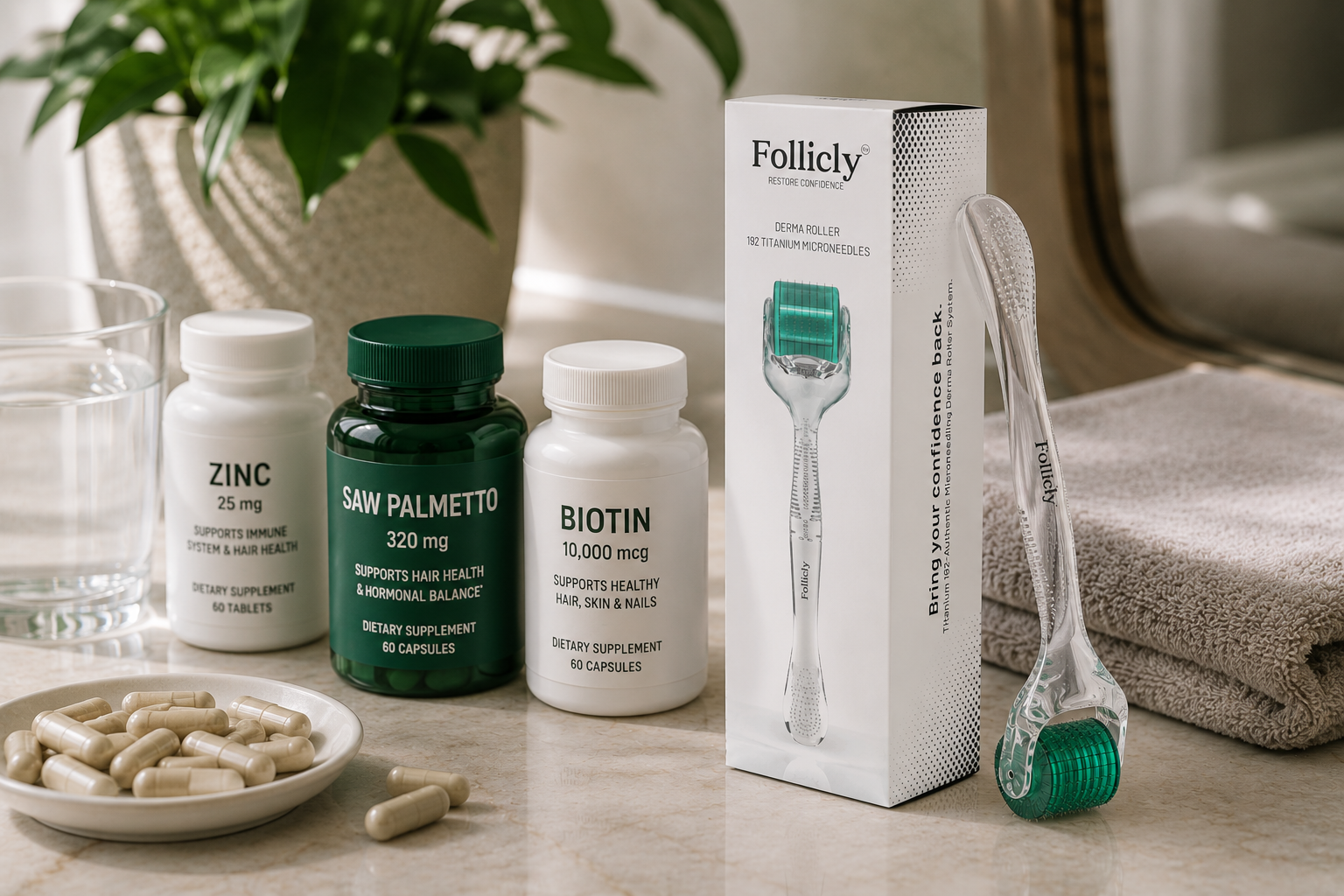
Microneedling stimulates your scalp from the outside. But what you put into your body matters too. The right supplements can support the hair growth cycle from within — and when combined with a consistent microneedling routine, they create a more complete approach to tackling hair loss.
Here's a breakdown of the most evidence-backed supplements for hair loss, how they work, and how they fit alongside your microneedling routine.
How Supplements Support Microneedling

Microneedling triggers a wound-healing and follicle-stimulation response that requires raw materials to complete: amino acids for keratin production, vitamins for cell turnover, minerals for follicle health. If your body is deficient in any of these, the healing and growth response from microneedling may be blunted. Supplements fill those gaps.
The Evidence-Backed Supplements
Biotin (Vitamin B7)
Biotin is the most widely marketed hair supplement — but the evidence is more nuanced than the marketing suggests.
- What it does: Supports keratin infrastructure (the protein that makes up hair). Deficiency causes hair thinning and loss.
- Evidence: Strong evidence for hair loss caused by biotin deficiency. Limited evidence for hair loss in people who are not deficient.
- Verdict: Worth taking if you suspect deficiency (common in people with poor diet, digestive issues, or who take certain medications). Less impactful if your levels are already normal.
- Typical dose: 2,500–5,000 mcg daily
Saw Palmetto

A plant extract that inhibits 5-alpha reductase — the same enzyme that converts testosterone to DHT (the hormone responsible for androgenetic alopecia).
- What it does: Reduces DHT levels at the follicle, similar in mechanism to finasteride but milder and without prescription requirements.
- Evidence: Several studies show meaningful reductions in hair loss and modest regrowth, particularly in men with mild-to-moderate androgenetic alopecia.
- Verdict: A solid natural alternative or complement to finasteride for those who want DHT reduction without a prescription. Pairs well with microneedling.
- Typical dose: 320mg daily (standardised extract)
Vitamin D
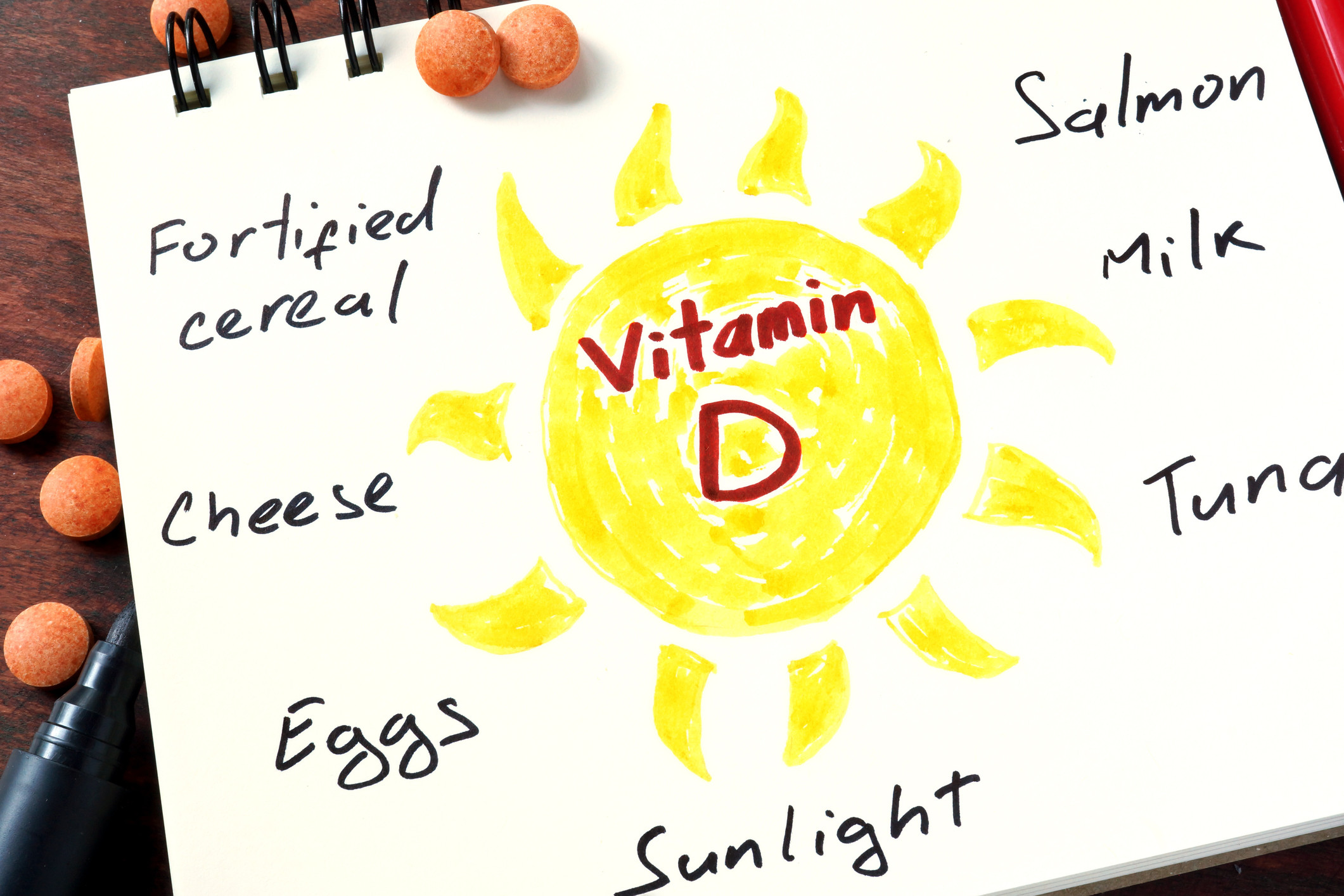
Vitamin D receptors are found in hair follicles, and deficiency is strongly associated with hair loss — particularly alopecia areata and telogen effluvium.
- What it does: Supports follicle cycling and the transition from resting to active growth phase.
- Evidence: Strong association between low vitamin D and hair loss. Supplementation in deficient individuals has shown improvement in hair density.
- Verdict: Get your levels tested. If you're deficient (very common, especially in northern climates), supplementing is one of the highest-impact changes you can make.
- Typical dose: 1,000–4,000 IU daily (based on blood levels — consult your doctor)
Iron (Ferritin)
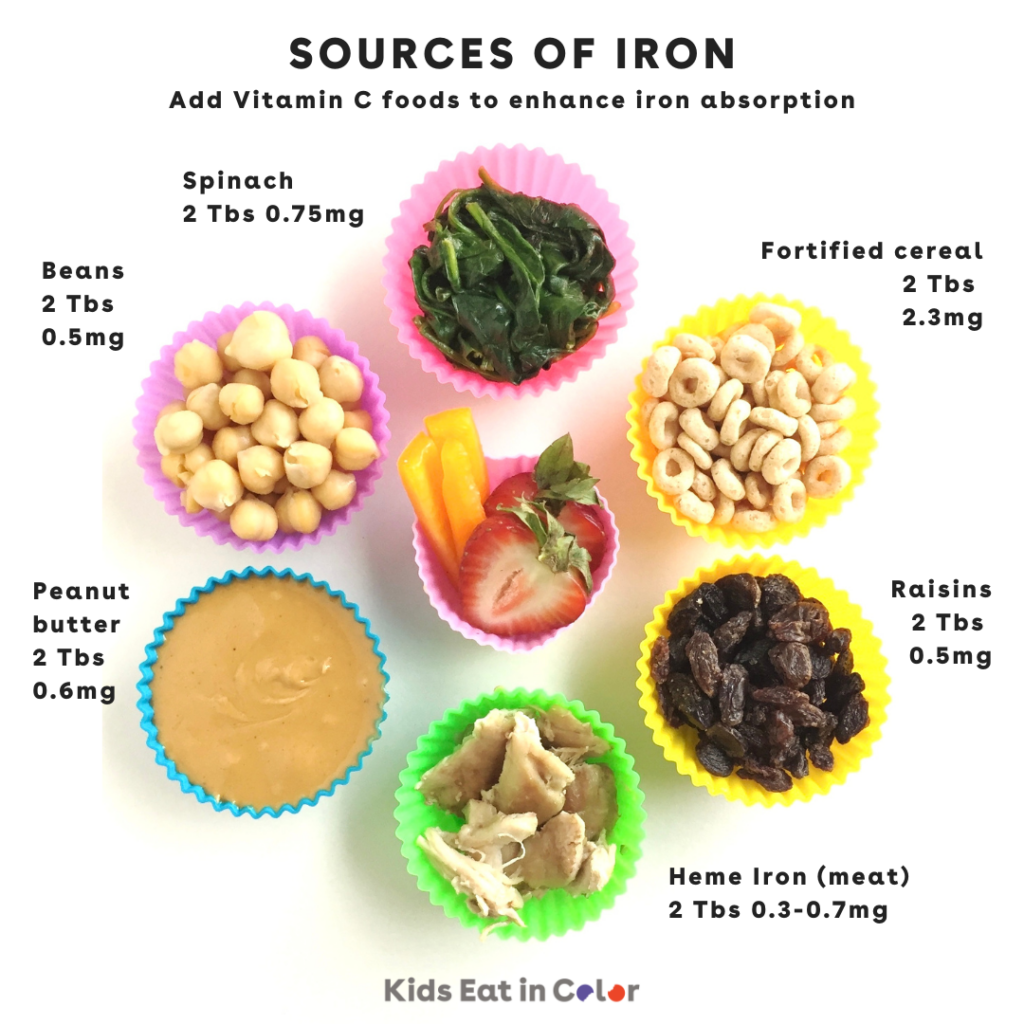
Iron deficiency is one of the most common and most overlooked causes of hair loss, particularly in women.
- What it does: Iron is essential for DNA synthesis in hair follicle cells. Low ferritin (stored iron) is directly linked to increased hair shedding.
- Evidence: Strong. Multiple studies link low ferritin to telogen effluvium and female pattern hair loss.
- Verdict: Get a ferritin blood test before supplementing — excess iron is harmful. If ferritin is below 70 ng/mL, supplementation is likely beneficial.
- Typical dose: As directed by your doctor based on blood results
Zinc

Zinc plays a key role in hair tissue growth and repair, and in keeping the oil glands around follicles functioning properly.
- What it does: Supports protein synthesis, cell division, and follicle health. Also has mild DHT-inhibiting properties.
- Evidence: Deficiency is associated with hair loss. Supplementation in deficient individuals improves hair growth.
- Verdict: Useful if deficient. Avoid high doses — excess zinc can actually cause hair loss by interfering with copper absorption.
- Typical dose: 15–30mg daily (zinc picolinate or zinc gluconate for best absorption)
Collagen Peptides
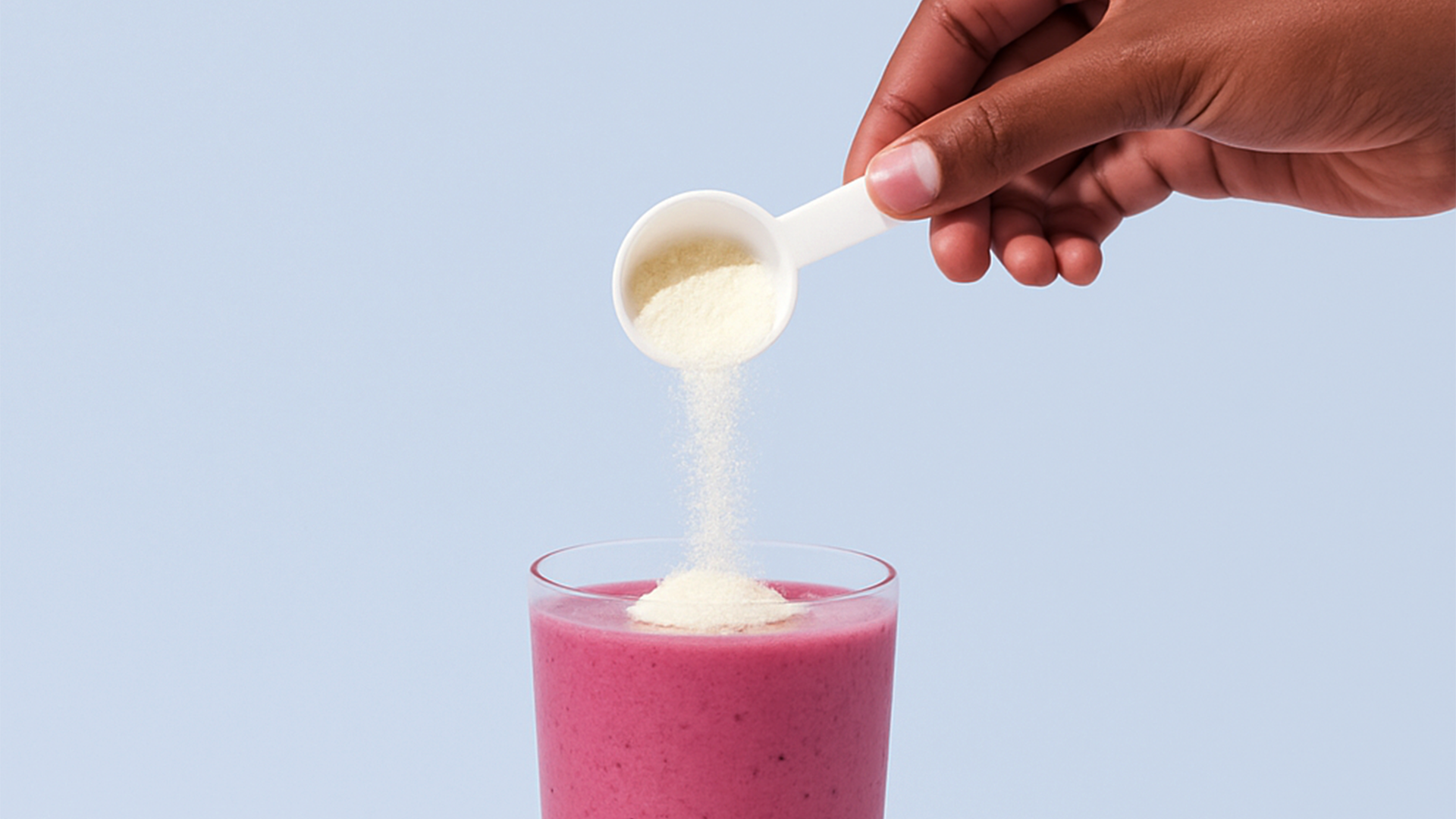
Microneedling stimulates collagen production in the scalp — and oral collagen peptides provide the amino acid building blocks to support that process.
- What it does: Provides glycine, proline, and hydroxyproline — the amino acids used to build collagen and keratin. Also contains antioxidants that may protect follicles from damage.
- Evidence: Emerging. Studies show improvements in hair thickness and growth rate with collagen supplementation.
- Verdict: A natural complement to microneedling — you're stimulating collagen production externally and providing the raw materials internally.
- Typical dose: 10–20g daily (hydrolysed collagen peptides)
Omega-3 Fatty Acids (Fish Oil)
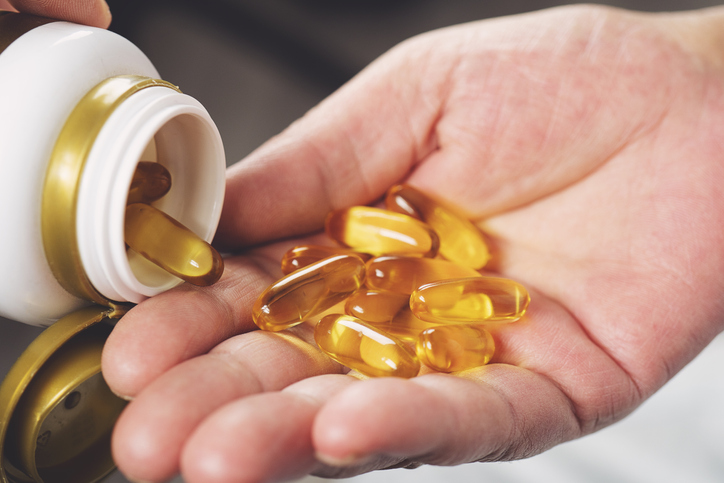
Omega-3s reduce scalp inflammation — a key driver of follicle miniaturisation in androgenetic alopecia.
- What it does: Anti-inflammatory effects support a healthier scalp environment. May also improve hair density and reduce shedding.
- Evidence: A 2015 study found significant improvements in hair density and reduced hair loss with omega-3 and omega-6 supplementation over 6 months.
- Verdict: Low risk, broad health benefits, and meaningful hair-specific evidence. Worth including in any hair loss stack.
- Typical dose: 1,000–3,000mg EPA+DHA daily
Supplement Stack Summary
| Supplement | Primary Benefit | Evidence Level | Best For |
|---|---|---|---|
| Biotin | Keratin support | Moderate (if deficient) | Deficiency-related loss |
| Saw Palmetto | DHT reduction | Moderate | Androgenetic alopecia |
| Vitamin D | Follicle cycling | Strong (if deficient) | Deficiency-related loss, AA |
| Iron/Ferritin | Follicle cell function | Strong (if deficient) | Women, telogen effluvium |
| Zinc | Follicle health, mild DHT inhibition | Moderate (if deficient) | Deficiency-related loss |
| Collagen Peptides | Collagen + keratin building blocks | Emerging | Microneedling support |
| Omega-3 | Scalp inflammation reduction | Moderate | Broad hair loss support |
How to Combine Supplements with Your Microneedling Routine

Supplements work systemically over weeks and months — they're not a quick fix. The best approach is to:
- Get blood work done first. Test for vitamin D, ferritin, zinc, and iron before supplementing. Targeted supplementation based on actual deficiencies is far more effective than guessing.
- Start with the highest-impact deficiencies. If your vitamin D is low and your ferritin is low, address those first — they're likely contributing significantly to your hair loss.
- Add saw palmetto and omega-3 as broad-spectrum additions that work regardless of deficiency status.
- Add collagen peptides to support your microneedling sessions specifically.
- Give it 3–6 months before evaluating — the same timeline as your microneedling routine.
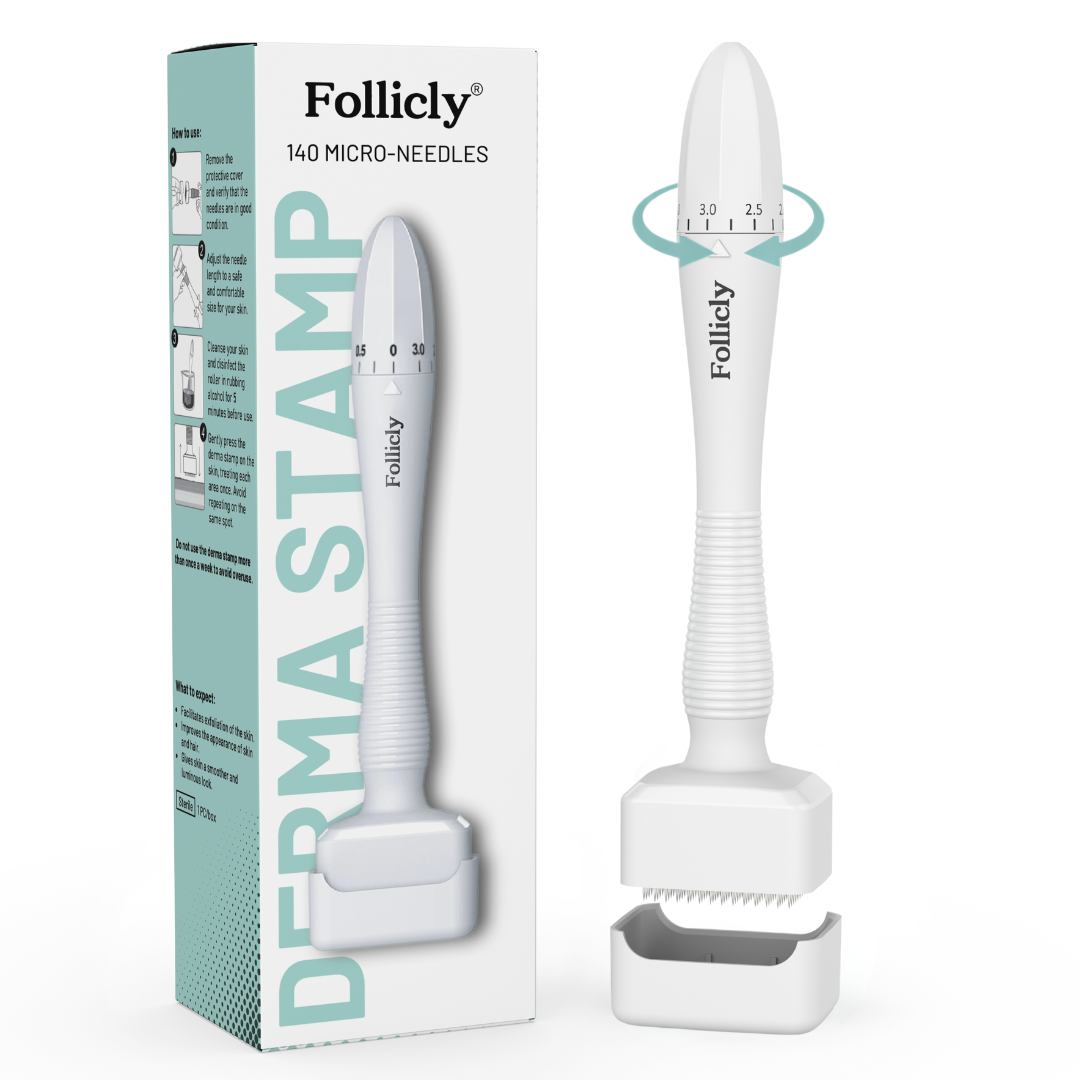
For the complete microneedling protocol to pair with your supplement stack, see our complete hair loss routine guide. And for the right tool to anchor your routine, explore the Follicly Derma Stamp and Follicly Derma Pen.
Note: This article is for informational purposes only and does not constitute medical advice. Consult your doctor before starting any new supplement regimen, particularly if you are taking medications or have underlying health conditions.