
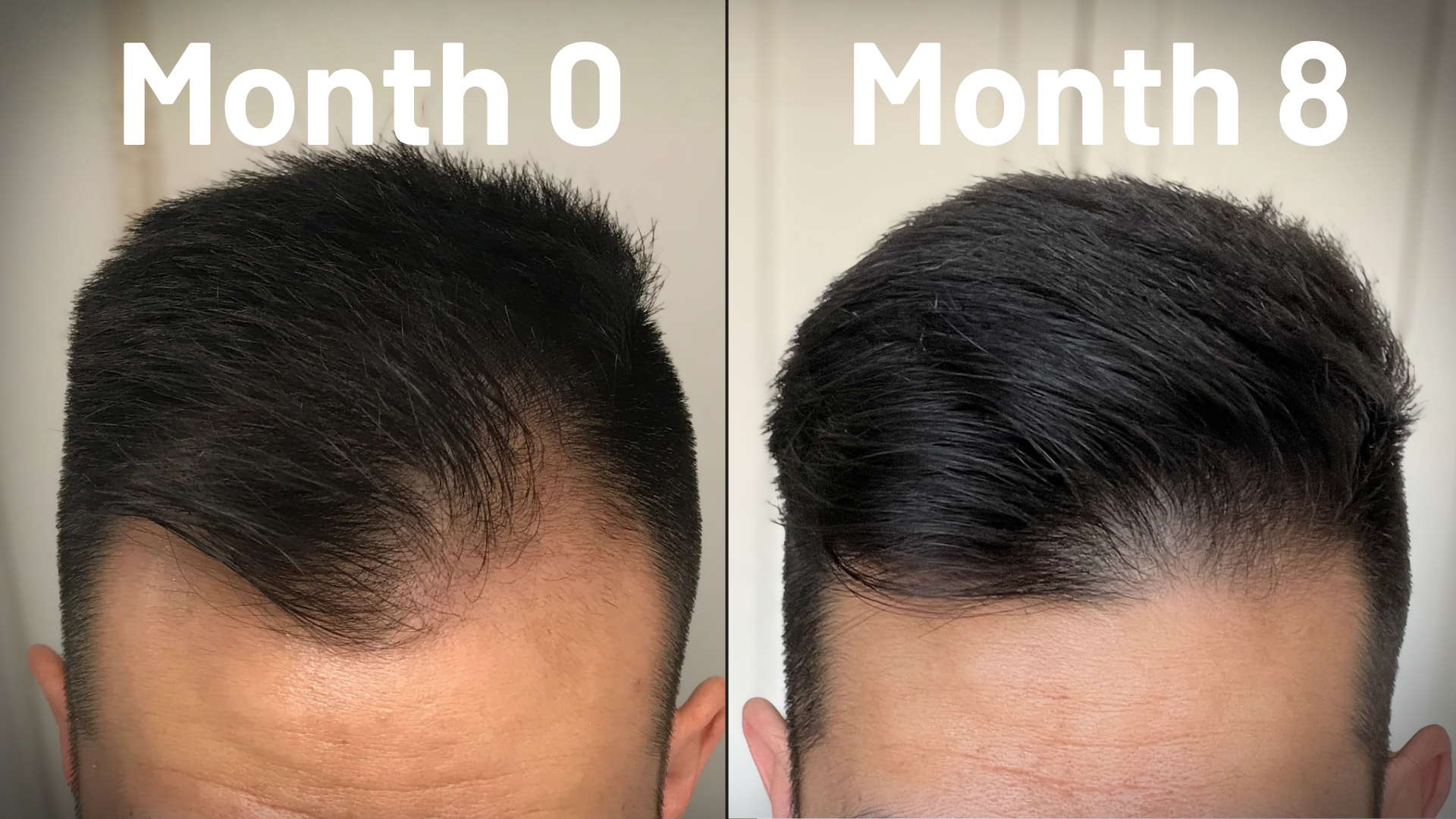
A receding hairline is often the first visible sign of androgenetic alopecia — and for many people, it's the most distressing. The hairline frames the face, and even modest recession can significantly affect how you look and feel. Microneedling has emerged as one of the most accessible at-home tools for slowing hairline recession and, in many cases, restoring density to the frontal zone.
Here's a complete guide to using microneedling specifically for hairline restoration.
Can Microneedling Restore a Receding Hairline?
The honest answer: it depends on how far the recession has progressed.
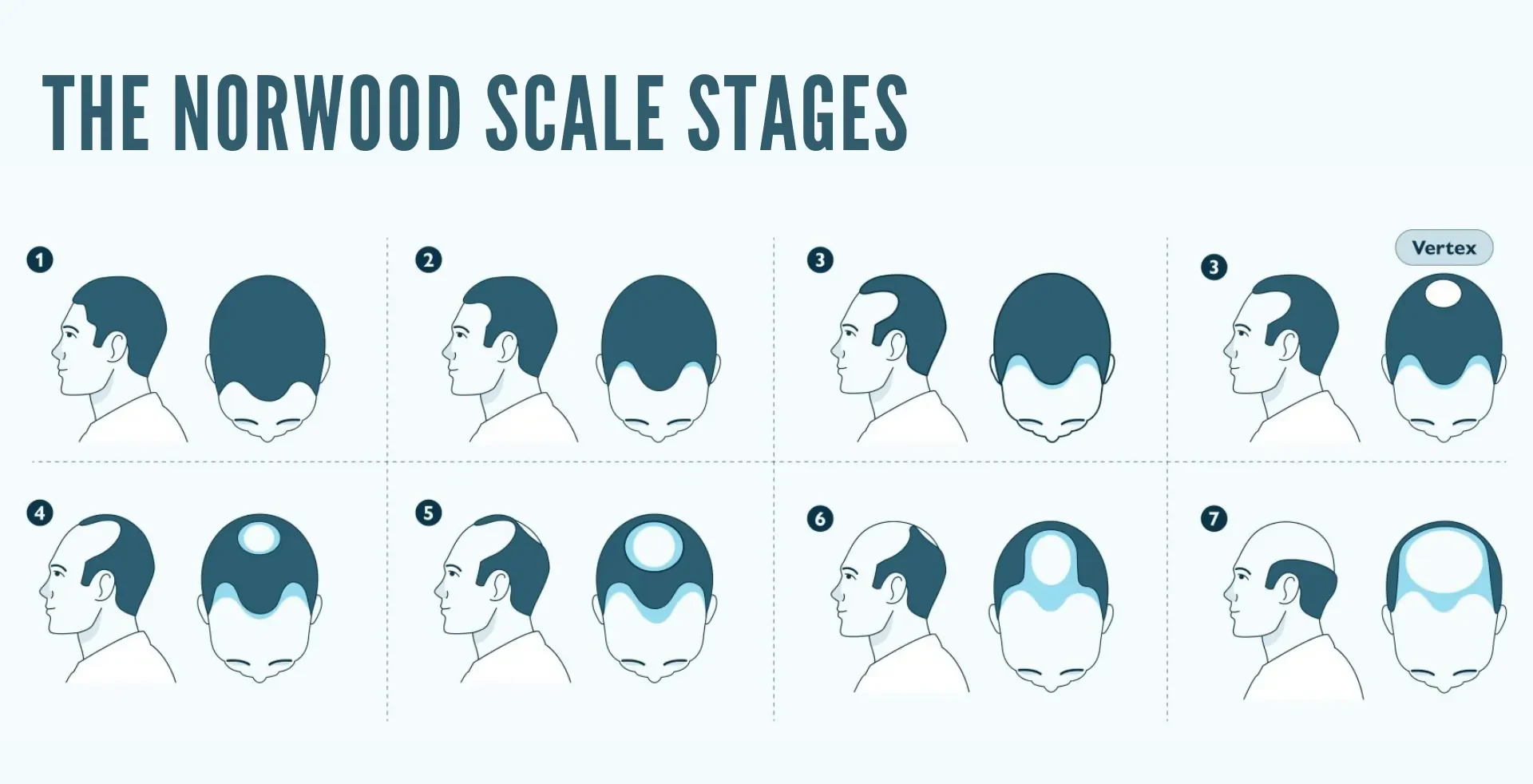
- Early recession (Norwood 1–2): Microneedling is most effective here. Follicles are miniaturised but still active, and consistent treatment can slow recession, thicken existing hairs, and in some cases restore density to the frontal hairline.
- Moderate recession (Norwood 3–4): Microneedling can still help — particularly when combined with minoxidil and finasteride — but results are more variable. Expect slowing of progression and possible partial regrowth rather than full restoration.
- Advanced recession (Norwood 5+): Follicles in areas of complete baldness are typically no longer active. Microneedling cannot regrow hair where follicles have been permanently lost. Hair transplant surgery is the primary option at this stage.
The earlier you start, the better your results will be. If you're noticing the first signs of hairline recession, now is the optimal time to act.
Why the Hairline Is a Unique Treatment Zone
The frontal hairline has some characteristics that make it different from the crown or top of the scalp:
- Thinner skin: The skin at the temples and hairline is generally thinner than the scalp, so start with a conservative needle depth (0.5mm) and assess your response before going deeper.
- Higher visibility: Redness post-treatment is more noticeable at the hairline. Schedule sessions for evenings or days when you can allow 24 hours of recovery.
- Irregular contours: The hairline curves around the temples and forehead, making a stamping tool easier to control than a roller.
- DHT sensitivity: Frontal hairline follicles are among the most DHT-sensitive on the scalp, which is why they recede first. Addressing DHT (via finasteride or saw palmetto) alongside microneedling is particularly important for this zone.
The Best Tool for Hairline Microneedling

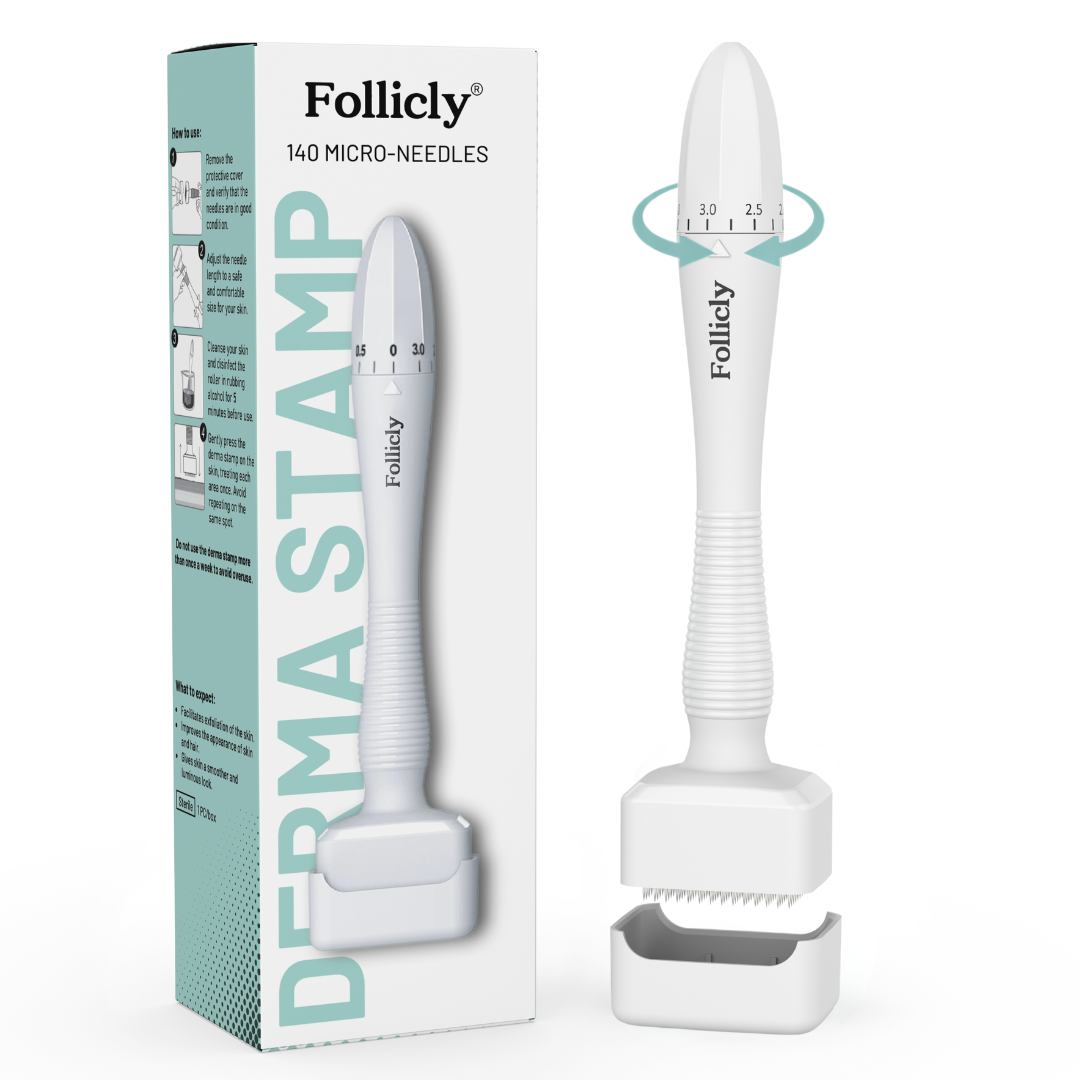
For the hairline specifically, the Follicly Derma Stamp is the preferred tool. Its stamping action gives you precise control over exactly where the needles land — critical when working along the irregular curve of the hairline and around the temples. You can treat individual patches or follow the hairline precisely without affecting the forehead skin.
The Follicly Derma Pen is also well-suited to hairline work, with the added benefit of adjustable depth — useful if you want to use a shallower setting (0.5mm) for the delicate temple area and a slightly deeper setting (0.75mm) for the frontal scalp just behind the hairline.
Recommended Protocol for Hairline Restoration
Needle depth
- Start at 0.5mm for the first 4 weeks
- Progress to 0.75mm once you've assessed your skin's response
- Use 1.0mm for the scalp area just behind the hairline (slightly thicker skin)
Frequency
- At 0.5mm: 2–3 times per week
- At 0.75–1.0mm: Once per week
Topical application
Apply minoxidil to the hairline immediately after each session. This is the highest-absorption window and dramatically increases the effectiveness of the topical. For the full protocol, see: How to Microneedle with Minoxidil for Best Hair Results.
DHT management
Because frontal hairline follicles are highly DHT-sensitive, combining microneedling with a DHT blocker — finasteride (prescription) or saw palmetto (OTC) — is strongly recommended for androgenetic hairline recession. Microneedling stimulates the follicle; DHT blockers protect it from the hormone driving miniaturisation.
What Results to Expect at the Hairline

- Month 1: No visible regrowth. Possible temporary shedding. Scalp circulation improving.
- Month 2–3: Fine vellus hairs appearing along the hairline. Existing hairs may look thicker.
- Month 4–6: Vellus hairs maturing, improved hairline density. Recession may appear to have slowed or stabilised.
- Month 6+: Best results visible. In early-stage recession, meaningful restoration of hairline density is achievable with consistent treatment.
For the full month-by-month breakdown, see: Derma Roller Results Timeline: What to Expect at 1, 3, and 6 Months.
Hairline Microneedling: Common Mistakes to Avoid
- ❌ Starting too deep: The hairline skin is thin. Starting at 1.0mm without working up to it risks unnecessary trauma and irritation.
- ❌ Needling the forehead skin: Keep treatment on the scalp side of the hairline, not the forehead. Microneedling the forehead can cause unwanted effects.
- ❌ Skipping DHT management: Microneedling without addressing DHT at the hairline is like bailing water without plugging the leak. Combine both for best results.
- ❌ Expecting results too quickly: The hairline is one of the slower areas to respond. Commit to at least 6 months before evaluating.
- ❌ Inconsistent sessions: Sporadic treatment produces sporadic results. Stick to your schedule.